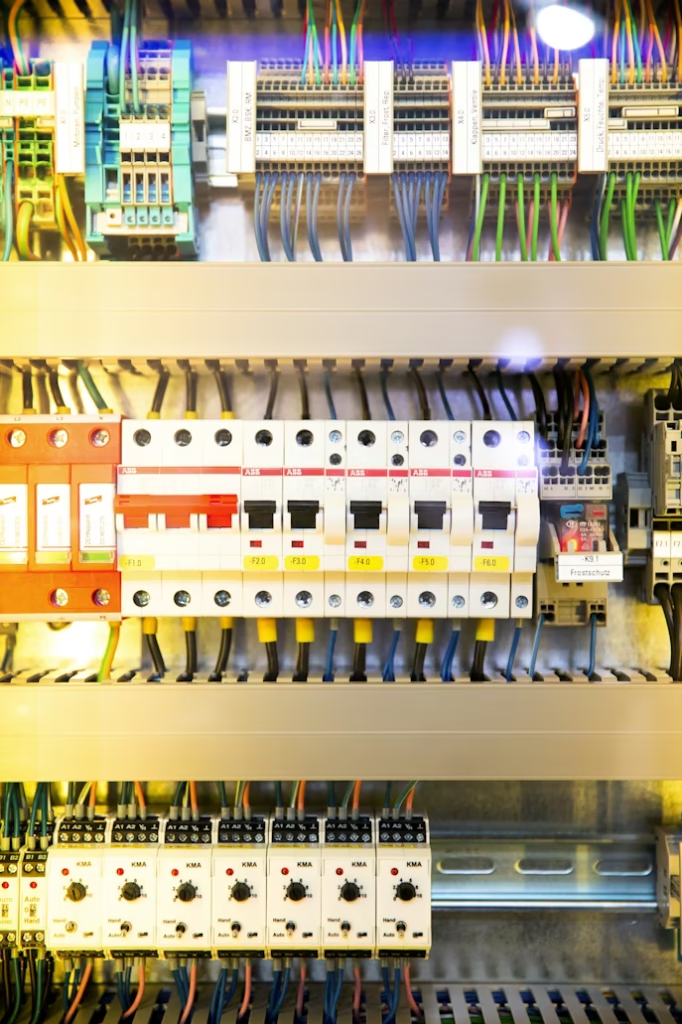
Electrical panels are critical parts of any industrial facility. They distribute power, protect equipment, and support safe operation of electrical systems.
Preventive maintenance of electrical panels helps reduce failures, overheating, loose connections, nuisance trips, and unexpected shutdowns.
This checklist is designed for maintenance engineers and technicians who work with industrial electrical panels.
What Is an Electrical Panel?
An electrical panel is an enclosure that contains electrical components used for power distribution, protection, control, and monitoring.
Electrical panels may include:
- Circuit breakers
- Contactors
- Relays
- Fuses
- Busbars
- Terminal blocks
- Control transformers
- Meters
- Protection devices
- Control wiring
- Indication lamps
- Selector switches
In industrial plants, electrical panels are used for machines, utilities, lighting, HVAC systems, compressors, pumps, and production equipment.
Why Electrical Panel Maintenance Is Important
Electrical panels operate under load and may be affected by heat, dust, vibration, humidity, loose connections, and aging components.
Without proper maintenance, problems may develop such as:
- Overheated terminals
- Loose connections
- Breaker failure
- Dust accumulation
- Control circuit faults
- Cable insulation damage
- Poor ventilation
- Corrosion
- Burn marks
- Unexpected tripping
Preventive maintenance helps detect these issues before they become serious failures.
Safety Before Electrical Panel Maintenance
Before starting any electrical panel maintenance, follow the approved site safety procedure.
Basic safety steps include:
- Obtain the required work permit
- Inform the operation team
- Identify all power sources
- Isolate the electrical supply
- Apply lockout/tagout
- Verify absence of voltage
- Use proper PPE
- Use insulated tools
- Keep the work area clean
- Follow approved electrical safety procedures
Never assume a panel is dead until it has been tested and verified.
Electrical Panel Preventive Maintenance Checklist
| Inspection Point | What to Check |
|---|---|
| Panel cleanliness | Dust, dirt, oil, and foreign materials |
| Panel door | Hinges, locks, gasket, and proper closing |
| Ventilation | Fans, filters, louvers, and blocked openings |
| Cable entries | Glands, sealing, and cable support |
| Power terminals | Tightness, discoloration, and overheating |
| Control terminals | Loose wires, ferrules, and labeling |
| Busbars | Corrosion, discoloration, and insulation condition |
| Circuit breakers | Physical condition and proper operation |
| Fuses | Correct rating and signs of overheating |
| Contactors | Contact wear, coil noise, and overheating |
| Relays | Proper operation and secure mounting |
| Indication lamps | Correct operation |
| Meters | Reading accuracy and display condition |
| Earthing | Grounding continuity and tightness |
| Labels | Component labels and warning signs |
| Drawings | Availability of updated electrical drawings |
Visual Inspection
Start with a complete visual inspection of the panel.
Look for:
- Burn marks
- Overheating smell
- Loose components
- Broken covers
- Missing labels
- Damaged insulation
- Dust accumulation
- Moisture or water marks
- Corrosion
- Loose cables
- Damaged glands
Many electrical problems can be detected by visual inspection before testing.
Cleaning the Electrical Panel
Dust and dirt can cause overheating, poor insulation, and tracking.
Cleaning should be done carefully after proper isolation.
Use approved cleaning methods such as:
- Dry cloth
- Electrical panel vacuum cleaner
- Soft brush
- Approved electrical contact cleaner if required
Avoid uncontrolled compressed air because it may push dust into sensitive components.
Checking Terminal Tightness
Loose terminals are one of the most common causes of electrical panel failure.
Loose connections can cause:
- Heat generation
- Voltage drop
- Arcing
- Burnt terminals
- Equipment failure
- Fire risk
Check terminal tightness for:
- Incoming cables
- Outgoing cables
- Breaker terminals
- Contactor terminals
- Relay terminals
- Control terminals
- Earth connections
- Neutral connections
Use the correct torque value if available from the manufacturer.
Checking for Overheating
Signs of overheating include:
- Brown or black discoloration
- Melted insulation
- Burn smell
- Deformed plastic parts
- Loose or damaged terminals
- Hot spots during operation
Thermal imaging can be used to detect hot spots while the panel is under load.
Common hot spot locations include:
- Breaker terminals
- Cable lugs
- Busbar joints
- Fuse holders
- Contactors
- Overload relays
- Terminal blocks
Checking Circuit Breakers
Inspect circuit breakers for:
- Physical damage
- Proper ON/OFF operation
- Correct rating
- Loose terminals
- Burn marks
- Abnormal heat
- Mechanical stiffness
- Proper labeling
If a breaker trips repeatedly, do not keep resetting it without identifying the cause.
Checking Contactors and Relays
Contactors and relays should be checked carefully.
Inspect:
- Coil condition
- Main contact condition
- Auxiliary contacts
- Mechanical movement
- Mounting tightness
- Terminal tightness
- Abnormal noise
- Signs of overheating
A humming contactor may indicate low control voltage, dirty magnetic surfaces, or coil problems.
Checking Control Wiring
Control wiring problems can cause equipment failure or unsafe operation.
Check:
- Loose wires
- Damaged insulation
- Missing ferrules
- Poor wire dressing
- Incorrect labels
- Broken terminals
- Weak connections
- Control fuse condition
Control circuits should always be compared with the latest approved electrical drawing.
Checking Panel Ventilation
Poor ventilation increases internal panel temperature and reduces component life.
Check:
- Cooling fans
- Air filters
- Louvers
- Vent openings
- Panel internal temperature
- Dust on fan grills
- Blocked airflow
Replace faulty fans and clean clogged filters.
Checking Earthing and Grounding
A proper grounding system is essential for safety and protection.
Check:
- Earth cable connection
- Ground bar tightness
- Continuity of grounding conductor
- Corrosion on earth terminals
- Bonding of panel door
- Grounding labels
Never remove or bypass grounding connections.
Checking Labels and Drawings
Good labeling helps maintenance teams troubleshoot faster and safer.
Check that:
- Panel name is clearly visible
- Feeders are labeled
- Components are identified
- Warning labels are available
- Cable numbers are readable
- Latest electrical drawings are available
Missing or wrong labels can cause confusion during breakdowns.
Functional Testing
After maintenance, functional testing may be required.
Check:
- Breaker operation
- Indication lamps
- Selector switches
- Push buttons
- Alarms
- Interlocks
- Control circuit operation
- Local and remote control
- Emergency stop circuit if applicable
Testing must be coordinated with the operation team to avoid unexpected equipment start.
Common Electrical Panel Problems
Common problems found during preventive maintenance include:
- Loose terminals
- Dust accumulation
- Burnt cable lugs
- Damaged control wires
- Faulty cooling fan
- Dirty filters
- Weak contactor coil
- Wrong labels
- Missing drawings
- Corroded terminals
- Overheated breakers
- Damaged gland plates
Electrical Panel Maintenance Report
A proper maintenance report should include:
- Panel name
- Panel location
- Date of maintenance
- Work permit number if applicable
- Inspection findings
- Photos of abnormalities
- Corrective actions
- Spare parts required
- Technician name
- Engineer review
- Follow-up actions
Clear reports help track repeated issues and support future maintenance planning.
Recommended Maintenance Frequency
Maintenance frequency depends on site conditions, criticality, dust level, temperature, and company standards.
A common approach is:
| Activity | Suggested Frequency |
|---|---|
| Visual inspection | Monthly |
| Cleaning | Quarterly or semi-annually |
| Terminal tightness check | Semi-annually or annually |
| Thermal inspection | Semi-annually or annually |
| Functional testing | During planned shutdown |
| Full preventive maintenance | Annually |
The final schedule should follow site procedure and manufacturer recommendations.
Safety Notes
Electrical panels may contain dangerous voltage and high fault current levels.
Always isolate power, apply lockout/tagout, verify absence of voltage, and use proper PPE.
Do not bypass protection devices.
Do not restart equipment after maintenance until all covers are installed, tools are removed, and the area is safe.
Conclusion
Electrical panel preventive maintenance is essential for safe and reliable industrial operation.
A good maintenance checklist should include visual inspection, cleaning, terminal checking, breaker inspection, contactor and relay inspection, control wiring checks, ventilation checks, grounding verification, and functional testing.
Regular maintenance helps reduce failures, improve safety, and extend the life of electrical components.