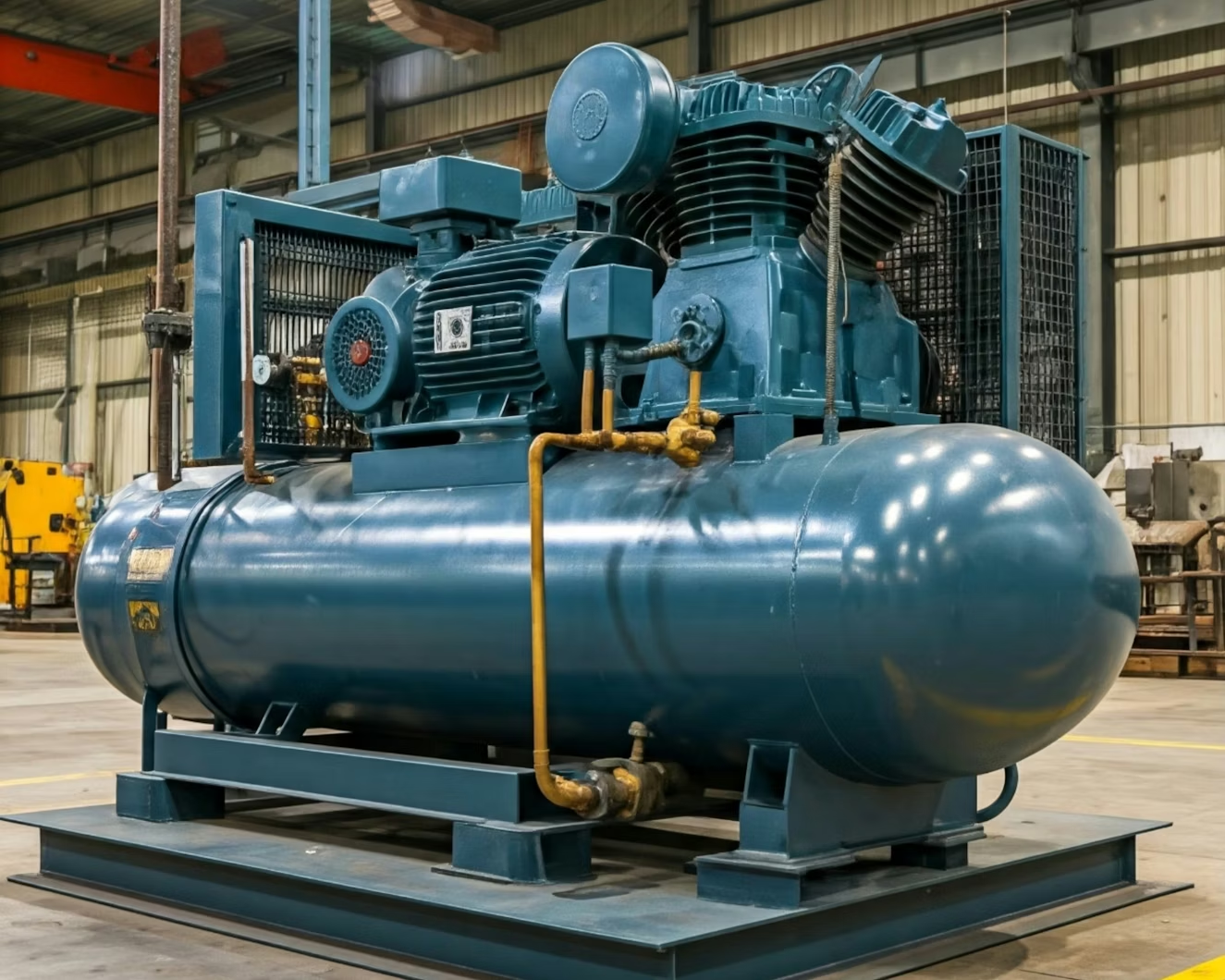
Compressors are important utility equipment in industrial plants. They are used to supply compressed air for instruments, pneumatic tools, valves, machines, cleaning, packaging lines, and production processes.
A compressor failure can stop production, reduce air pressure, damage equipment, and increase energy cost.
Preventive maintenance helps improve compressor reliability, reduce breakdowns, and extend equipment life.
What Is an Industrial Compressor?
An industrial compressor is a machine used to increase air or gas pressure by reducing its volume.
In industrial facilities, compressors are commonly used for:
- Instrument air systems
- Pneumatic tools
- Control valves
- Packaging machines
- Production equipment
- Cleaning air
- Air-operated pumps
- Utility air networks
Common compressor types include screw compressors, reciprocating compressors, centrifugal compressors, and portable compressors.
Why Compressor Preventive Maintenance Is Important
Compressors often run for long hours and may be affected by heat, dust, vibration, oil condition, air quality, and operating load.
Without proper maintenance, compressors may develop problems such as:
- High temperature trip
- Low air pressure
- Oil carryover
- Abnormal noise
- High vibration
- Air leakage
- Filter blockage
- Motor overload
- Belt failure
- Bearing failure
- Dryer problem
- Moisture in air line
Regular preventive maintenance helps detect problems before they become serious failures.
Safety Before Compressor Maintenance
Before starting compressor maintenance, follow the approved site safety procedure.
Basic safety steps include:
- Obtain the required work permit
- Inform the operation team
- Stop the compressor safely
- Isolate electrical power
- Apply lockout/tagout
- Release stored air pressure
- Allow hot parts to cool
- Close isolation valves if required
- Use proper PPE
- Keep the area clean
- Follow manufacturer instructions
Compressed air can be dangerous. Never open pressurized components without depressurizing the system.
Industrial Compressor Preventive Maintenance Checklist
| Inspection Point | What to Check |
|---|---|
| Air pressure | Normal discharge pressure |
| Compressor temperature | No high temperature alarm |
| Oil level | Correct oil level |
| Oil condition | No contamination or burnt smell |
| Air filter | Clean and not blocked |
| Oil filter | Condition and replacement due date |
| Separator element | Differential pressure and condition |
| Belt condition | Wear, cracks, and tension if applicable |
| Coupling | Wear, alignment, and guard condition |
| Motor current | Compare with normal running current |
| Vibration | No abnormal vibration |
| Noise | No abnormal sound |
| Air leakage | Check fittings, pipes, and hoses |
| Cooling system | Fans, cooler, radiator, and airflow |
| Dryer | Dew point, drain, and operation |
| Auto drain | Working properly |
| Safety valve | Installed and not blocked |
| Control panel | Alarms, display, and settings |
Daily Compressor Inspection
Daily inspection is usually done while the compressor is running.
Check:
- Discharge pressure
- Compressor temperature
- Oil level
- Abnormal noise
- Abnormal vibration
- Air leakage
- Warning alarms
- Cooling fan operation
- Drain operation
- General cleanliness
Daily checks help detect abnormal conditions early.
Weekly Compressor Inspection
Weekly inspection may include:
- Air filter condition
- Oil leakage inspection
- Belt condition if applicable
- Cooler cleanliness
- Drain valve operation
- Control panel alarm history
- Foundation bolt visual inspection
- Air receiver drain check
- Housekeeping around compressor area
Record all abnormal findings in the maintenance log.
Monthly Compressor Inspection
Monthly inspection can include more detailed checks such as:
- Motor current measurement
- Vibration measurement
- Temperature trend review
- Oil condition visual check
- Air leakage survey
- Electrical terminal visual inspection
- Cooler cleaning if required
- Dryer performance check
- Auto drain cleaning
- Filter differential pressure check
Trend readings help identify gradual deterioration.
Air Filter Inspection
The air filter protects the compressor from dust and dirt.
A dirty air filter can cause:
- Low efficiency
- High temperature
- Reduced air output
- Increased energy consumption
- Compressor damage
Check the air filter condition regularly and replace it according to manufacturer recommendation or site condition.
Oil Level and Oil Condition
For oil-lubricated compressors, oil condition is critical.
Check:
- Correct oil level
- Oil color
- Burnt smell
- Foaming
- Water contamination
- Sludge
- Oil leakage
Low oil level can cause overheating and internal damage. Dirty oil can damage bearings, screws, and internal components.
Oil Filter Inspection
The oil filter removes contaminants from the compressor oil.
A blocked oil filter can reduce oil flow and cause high temperature or poor lubrication.
Check:
- Oil filter service hours
- Differential pressure if available
- Oil pressure
- Oil temperature
- Replacement history
Replace filters according to manufacturer recommendation.
Separator Element Inspection
In screw compressors, the separator element removes oil from compressed air.
A blocked or damaged separator can cause:
- High differential pressure
- Oil carryover
- High energy consumption
- Low efficiency
- High temperature
Check separator condition and replace it according to service schedule.
Cooling System Check
Compressors generate heat during operation.
The cooling system must work properly to prevent high temperature trips.
Check:
- Cooling fan operation
- Cooler cleanliness
- Radiator condition
- Airflow
- Blocked fins
- Cooling water flow if water-cooled
- Temperature sensor condition
Dust and blocked coolers are common causes of compressor overheating.
Belt and Coupling Inspection
Some compressors are belt-driven, while others are direct-coupled.
For belt-driven compressors, check:
- Belt tension
- Belt cracks
- Belt wear
- Pulley alignment
- Belt dust
- Guard condition
For coupling-driven compressors, check:
- Coupling element condition
- Alignment
- Loose bolts
- Guard condition
- Abnormal vibration
Motor and Electrical Checks
The compressor motor and electrical system should be inspected regularly.
Check:
- Motor current
- Motor temperature
- Terminal tightness
- Contactor condition
- Overload setting
- Control panel alarms
- Cable condition
- Earthing connection
- Cooling fan if applicable
Electrical checks should be done safely by qualified personnel.
Air Leakage Check
Air leakage increases energy cost and reduces system pressure.
Common leakage points include:
- Pipe joints
- Hoses
- Quick couplings
- Drain valves
- Solenoid valves
- Regulators
- Air receiver fittings
- Flanges
Repairing air leaks can improve compressor efficiency and reduce running hours.
Air Dryer Inspection
Air dryers remove moisture from compressed air.
A dryer problem may cause water in the air line, instrument failure, valve sticking, and corrosion.
Check:
- Dryer operation
- Dew point reading
- Drain operation
- Filter condition
- Refrigerant alarm if refrigerated dryer
- Desiccant condition if desiccant dryer
- Bypass valve position
Compressed air quality is very important for instrument air systems.
Auto Drain Inspection
Auto drains remove condensate from air receivers, filters, and dryers.
Check:
- Drain operation
- Blockage
- Air leakage through drain
- Water discharge
- Timer setting if applicable
- Solenoid valve condition
Blocked drains can cause water accumulation in the compressed air system.
Air Receiver Inspection
The air receiver stores compressed air and stabilizes pressure.
Check:
- Pressure gauge
- Safety valve
- Drain valve
- Corrosion
- Air leakage
- Foundation condition
- Nameplate visibility
- Inspection date if applicable
Air receivers are pressure vessels and must follow site and legal inspection requirements.
Common Compressor Problems
Common compressor problems include:
- High temperature trip
- Low air pressure
- Oil leakage
- Oil carryover
- Blocked air filter
- Blocked oil filter
- Separator failure
- High vibration
- Abnormal noise
- Motor overload
- Belt failure
- Dryer not working
- Water in air line
- Auto drain failure
- Air leakage
Compressor Maintenance Report
A good compressor maintenance report should include:
- Compressor tag number
- Location
- Date of inspection
- Running hours
- Discharge pressure
- Temperature reading
- Oil level
- Oil condition
- Motor current
- Vibration reading if available
- Filter condition
- Dryer condition
- Findings
- Corrective actions
- Spare parts required
- Technician name
- Engineer review
Good records help plan maintenance and identify repeated problems.
Recommended Maintenance Frequency
Maintenance frequency depends on compressor type, operating hours, environment, air quality requirement, and manufacturer recommendation.
A common approach is:
| Activity | Suggested Frequency |
|---|---|
| Visual inspection | Daily |
| Pressure and temperature check | Daily |
| Oil level check | Daily or weekly |
| Air filter inspection | Weekly or monthly |
| Drain check | Daily or weekly |
| Leakage inspection | Monthly |
| Motor current check | Monthly |
| Vibration check | Monthly or quarterly |
| Oil and filter replacement | Based on running hours |
| Full preventive maintenance | Quarterly, semi-annually, or annually |
The final schedule should follow manufacturer recommendations and site standards.
Common Mistakes
Common compressor maintenance mistakes include:
- Ignoring high temperature alarms
- Running with low oil level
- Delaying air filter replacement
- Ignoring air leaks
- Ignoring dryer problems
- Not draining condensate
- Using wrong oil type
- Bypassing alarms
- Poor cooler cleaning
- No running hour records
- No maintenance history
Practical Field Example
An air compressor trips repeatedly on high temperature.
The maintenance team checks the oil level and finds it normal. After inspection, they find that the cooler is blocked with dust and the cooling airflow is poor.
After cleaning the cooler and improving ventilation, the compressor temperature returns to normal.
In this case, the root cause was poor cooling, not an internal compressor failure.
Safety Notes
Before maintaining a compressor, isolate electrical power, apply lockout/tagout, and release stored air pressure.
Hot oil, hot surfaces, rotating parts, and pressurized air can cause serious injury.
Never remove guards while the compressor is running.
Never open air or oil lines under pressure.
Always follow site safety procedures and manufacturer instructions.
Conclusion
Industrial compressor preventive maintenance is essential for reliable plant operation.
A good checklist should include inspection of pressure, temperature, oil level, oil condition, filters, separator, cooling system, belts or coupling, motor current, vibration, air leaks, dryer, drains, and air receiver.
Regular inspection, proper lubrication, clean filters, good cooling, and air leak control help reduce compressor failures and improve efficiency.