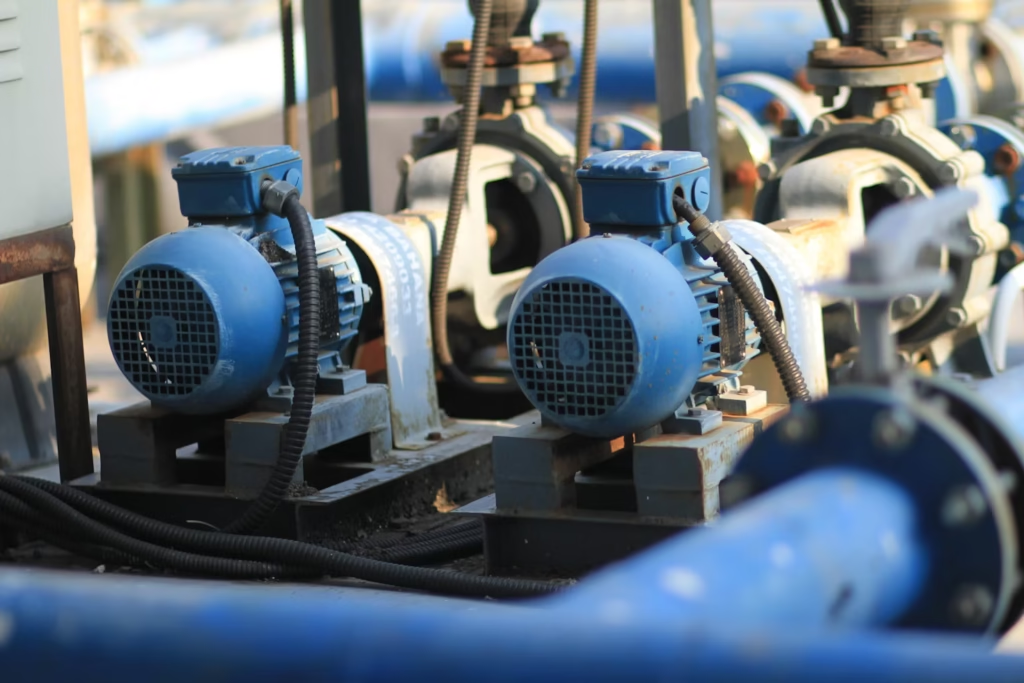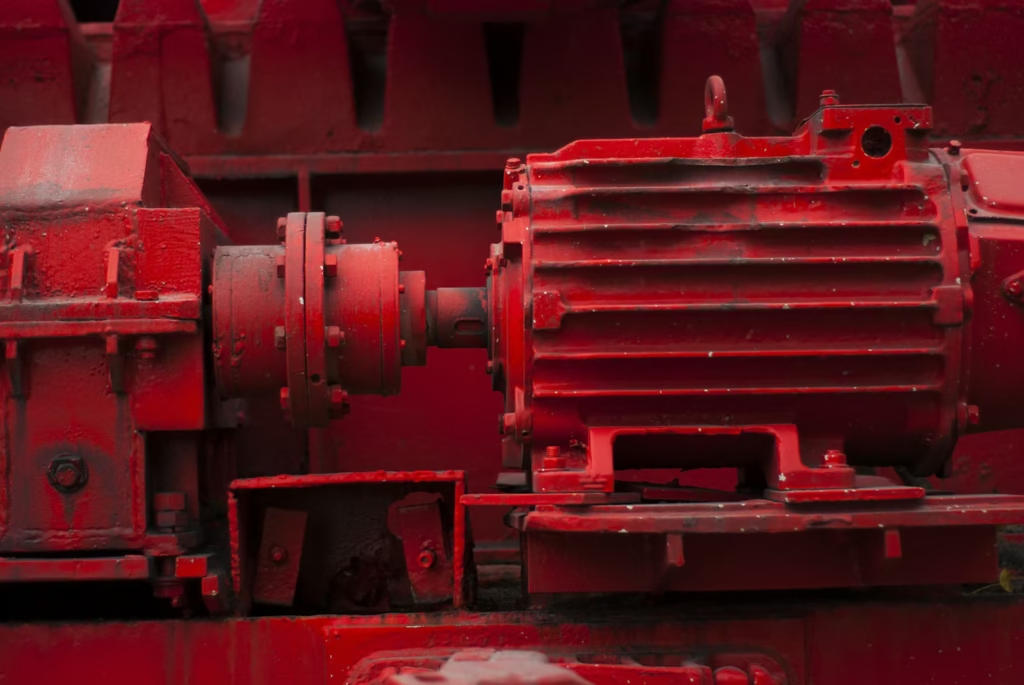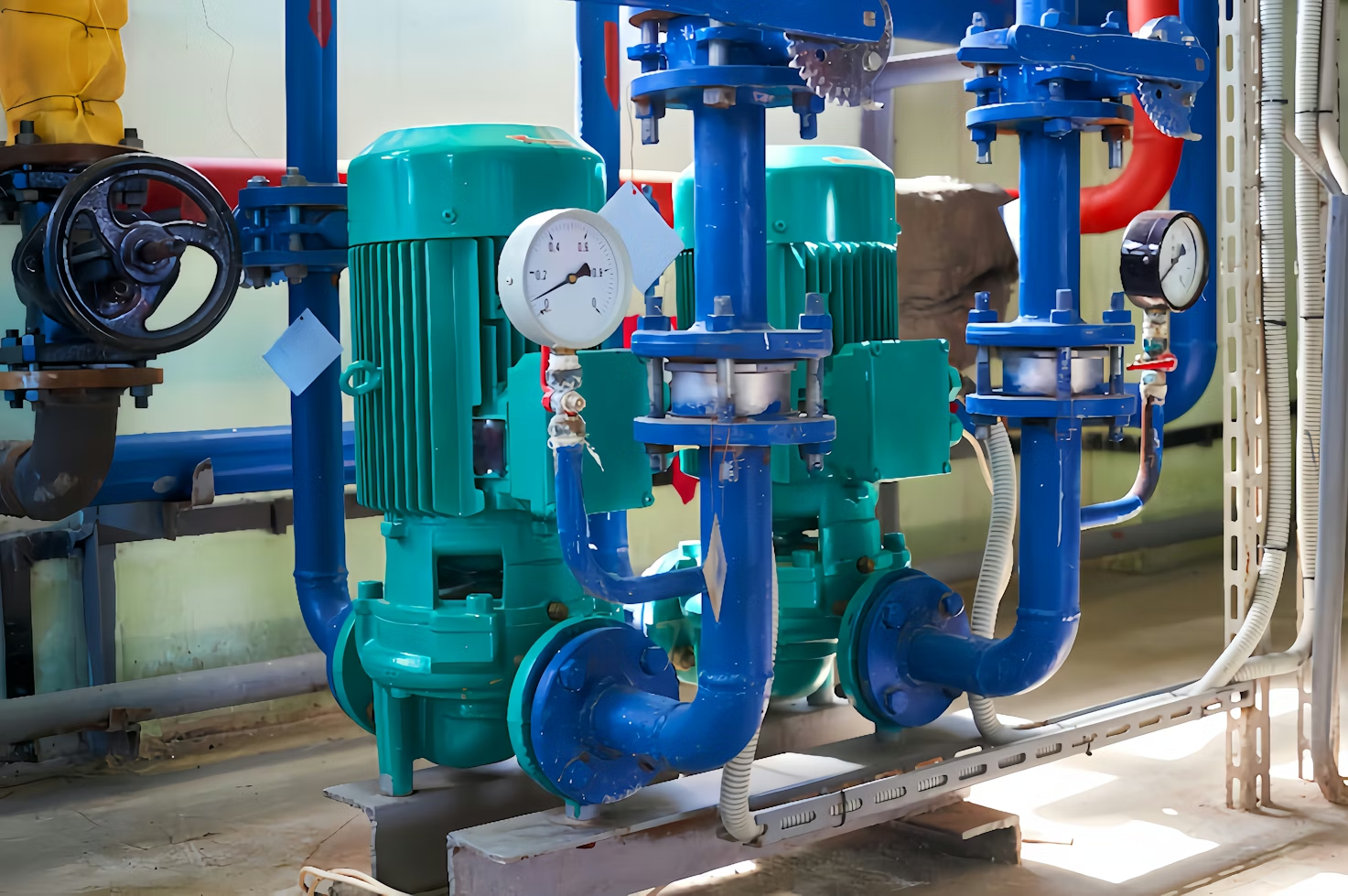
Centrifugal pumps are widely used in industrial plants for water transfer, cooling systems, process fluids, chemical circulation, drainage, and utility systems.
Preventive maintenance of centrifugal pumps helps reduce unexpected failures, leakage, vibration, bearing damage, seal failure, and production downtime.
This checklist is designed for maintenance engineers and technicians who inspect and maintain centrifugal pumps in industrial facilities.
What Is a Centrifugal Pump?
A centrifugal pump is a rotating machine that uses an impeller to move liquid by converting mechanical energy into fluid flow and pressure.
The main components of a centrifugal pump include:
- Pump casing
- Impeller
- Shaft
- Bearings
- Mechanical seal or packing
- Coupling
- Base frame
- Suction flange
- Discharge flange
- Motor
- Coupling guard
Centrifugal pumps are simple, reliable, and commonly used in many industrial applications.
Why Preventive Maintenance Is Important
Centrifugal pumps operate continuously in many plants. Over time, they may be affected by wear, vibration, misalignment, poor lubrication, cavitation, corrosion, and process conditions.
Without proper maintenance, common problems may occur such as:
- Mechanical seal leakage
- Bearing failure
- High vibration
- Low flow
- Low pressure
- Overheating
- Coupling damage
- Motor overload
- Cavitation
- Impeller damage
Preventive maintenance helps detect early signs of failure before they become major breakdowns.
Safety Before Pump Maintenance
Before starting pump maintenance, follow the site safety procedure.
Basic safety steps include:
- Obtain the required work permit
- Inform the operation team
- Stop the pump safely
- Isolate electrical power
- Apply lockout/tagout
- Close suction and discharge valves if required
- Release pressure from the pump casing
- Drain fluid safely if required
- Allow hot equipment to cool
- Use proper PPE
- Keep the work area clean
Never remove the coupling guard or open the pump while it is running.
Centrifugal Pump Preventive Maintenance Checklist
| Inspection Point | What to Check |
|---|---|
| Pump noise | Abnormal sound, cavitation, bearing noise |
| Vibration | Excessive vibration or sudden change |
| Bearing temperature | High temperature or overheating |
| Mechanical seal | Leakage, spray, or seal damage |
| Pump casing | Leakage, corrosion, cracks |
| Suction pressure | Low suction pressure or blockage |
| Discharge pressure | Low or high abnormal pressure |
| Flow condition | Low flow or no flow |
| Coupling | Wear, damage, loose bolts |
| Coupling guard | Installed and secure |
| Lubrication | Correct oil or grease condition |
| Foundation bolts | Loose bolts or base movement |
| Motor current | Compare with normal running current |
| Alignment | Check if vibration or coupling wear is found |
| Strainer | Clean and not blocked |
| Valves | Correct position and no leakage |
Daily Inspection
Daily pump inspection is usually done while the pump is running.
Check:
- Abnormal noise
- Excessive vibration
- Seal leakage
- Bearing temperature
- Pump casing leakage
- Suction and discharge pressure
- Motor current if available
- Flow indication
- Coupling guard condition
- General housekeeping around the pump
Daily inspection helps detect problems early.
Weekly Inspection
Weekly inspection can include more detailed checks.
Check:
- Lubrication condition
- Grease or oil level
- Pump and motor mounting bolts
- Coupling condition from outside
- Base frame condition
- Suction strainer differential pressure if available
- Pipe support condition
- Any sign of corrosion
- Any abnormal smell or overheating
Record findings in the maintenance checklist.
Monthly Inspection
Monthly inspection should be more detailed and may include:
- Vibration measurement
- Bearing temperature trend
- Motor current trend
- Seal leakage trend
- Coupling inspection if shutdown is available
- Strainer cleaning if required
- Foundation bolt checking
- Visual inspection of pump casing and piping
- Checking pressure gauge condition
- Checking valve operation
Trend readings are very useful for identifying gradual deterioration.
Mechanical Seal Inspection
Mechanical seals are common failure points in centrifugal pumps.
Check for:
- Continuous leakage
- Fluid spray
- Seal area overheating
- Corrosion around seal gland
- Abnormal smell
- Repeated seal failure
- Dry running signs
A small leakage may become a major failure if ignored.
If the mechanical seal fails repeatedly, check the root cause such as dry running, misalignment, vibration, wrong seal material, or poor installation.
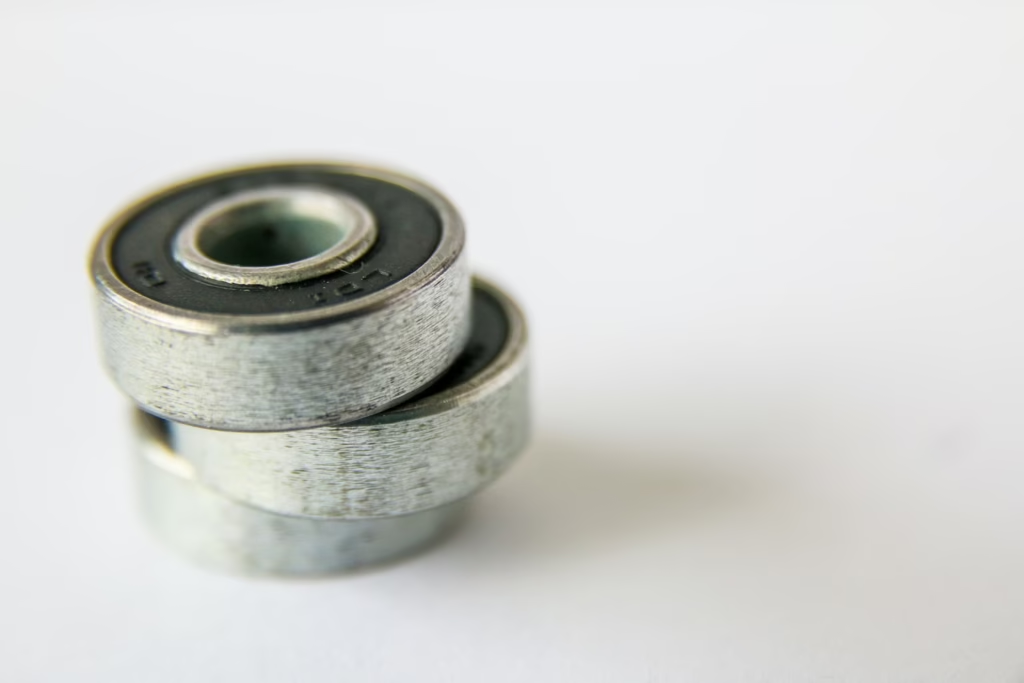
Bearing Inspection
Bearings support the pump shaft and are critical for smooth operation.
Check:
- Abnormal bearing noise
- High bearing temperature
- Vibration increase
- Grease leakage
- Oil level if oil lubricated
- Contaminated lubricant
- Rough rotation during shutdown
Bearing failure can damage the shaft, seal, coupling, and motor.
Lubrication Check
Proper lubrication is essential for bearing life.
Check:
- Correct lubricant type
- Correct grease quantity
- Oil level in bearing housing
- Oil color and contamination
- Lubrication schedule
- Grease nipple condition
- Oil leakage
Avoid over-greasing because it can also cause bearing overheating.
Coupling Inspection
The coupling transfers power from the motor to the pump.
Check:
- Coupling element condition
- Loose bolts
- Cracks
- Wear
- Misalignment signs
- Guard condition
- Abnormal vibration
A damaged coupling may indicate misalignment or overload.
Alignment Check
Shaft alignment should be checked after:
- Pump installation
- Motor replacement
- Pump overhaul
- Coupling replacement
- High vibration
- Bearing failure
- Repeated seal failure
- Foundation repair
Misalignment can cause bearing damage, mechanical seal failure, coupling wear, and high vibration.
Cavitation Check
Cavitation is a serious pump problem.
Signs of cavitation include:
- Noise like stones inside the pump
- High vibration
- Low flow
- Low discharge pressure
- Impeller damage
- Mechanical seal damage
Possible causes include:
- Low suction pressure
- Blocked suction strainer
- Closed or partially closed suction valve
- High liquid temperature
- Poor suction piping
- Pump operating away from design point
Cavitation should be corrected quickly.
Suction and Discharge Checks
Check suction side:
- Suction valve fully open
- Strainer clean
- No air leakage
- No blockage
- Proper suction pressure
- No collapsed hose
- Correct liquid level in tank
Check discharge side:
- Discharge valve position
- Pressure gauge reading
- No abnormal pressure
- No blocked line
- No leakage
- Flow condition
Many pump problems are caused by process conditions, not the pump itself.
Motor Current Check
Pump mechanical problems can increase motor current.
Check motor current and compare it with:
- Motor nameplate current
- Normal running current
- Previous readings
- Load condition
High motor current may indicate:
- Mechanical rubbing
- Bearing problem
- Pump overload
- High discharge pressure
- Wrong fluid viscosity
- Electrical issue
Electrical and mechanical teams should coordinate during troubleshooting.
Common Findings During PM
Common findings during pump preventive maintenance include:
- Minor seal leakage
- Bearing noise
- High vibration
- Loose foundation bolts
- Dirty suction strainer
- Low oil level
- Damaged coupling element
- Corroded pump casing
- Missing coupling guard bolts
- Abnormal pressure reading
- High motor current
- Poor housekeeping
Each finding should be recorded and corrected based on priority.
Pump Maintenance Report
A proper pump maintenance report should include:
- Pump tag number
- Pump location
- Date of inspection
- Operating condition
- Suction pressure
- Discharge pressure
- Motor current
- Bearing temperature
- Vibration readings
- Seal leakage condition
- Findings
- Corrective actions
- Spare parts required
- Technician name
- Engineer review
Good records help identify repeated failures and plan future maintenance.
Recommended Maintenance Frequency
Maintenance frequency depends on pump criticality, operating hours, fluid type, environment, and site procedure.
A common approach is:
| Activity | Suggested Frequency |
|---|---|
| Visual running inspection | Daily |
| Noise and vibration check | Daily or weekly |
| Lubrication check | Weekly or monthly |
| Seal leakage check | Daily |
| Strainer inspection | Weekly or based on condition |
| Vibration measurement | Monthly or quarterly |
| Alignment check | After major maintenance or abnormal vibration |
| Full preventive maintenance | Quarterly, semi-annually, or annually |
The final frequency should follow site standards and manufacturer recommendations.
Common Mistakes
Common pump maintenance mistakes include:
- Ignoring small seal leakage
- Running pump with abnormal noise
- Operating pump with closed suction valve
- Not checking suction strainer
- Over-greasing bearings
- Ignoring vibration trend
- Running without coupling guard
- Replacing mechanical seal without checking root cause
- Not checking rotation after motor work
- Poor maintenance documentation
Avoiding these mistakes improves pump reliability.
Safety Notes
Before performing maintenance on a centrifugal pump, isolate electrical power and apply lockout/tagout.
Also isolate process lines, release pressure, and drain fluid safely if required.
Never touch rotating parts while the pump is running. Never remove the coupling guard during operation.
Follow site safety procedures and use proper PPE.
Conclusion
Centrifugal pump preventive maintenance is essential for reliable industrial operation.
A good checklist should include inspection of noise, vibration, bearing temperature, mechanical seal leakage, lubrication, coupling, alignment, suction condition, discharge pressure, motor current, and general pump condition.
Regular inspection, proper lubrication, good alignment, and early correction of abnormal findings help reduce pump failures and extend pump life.