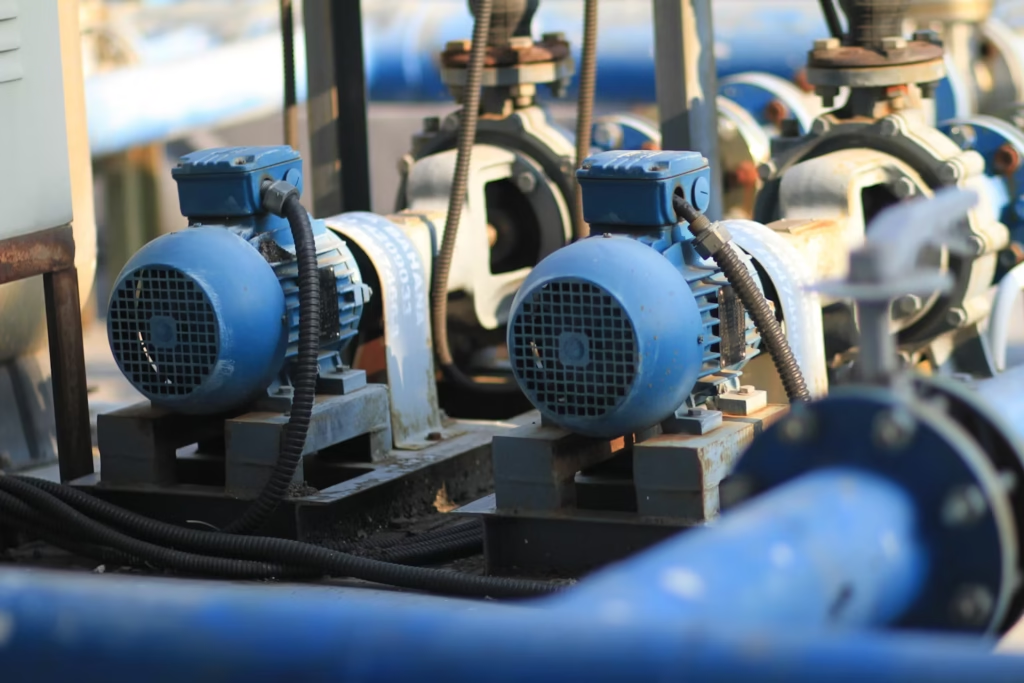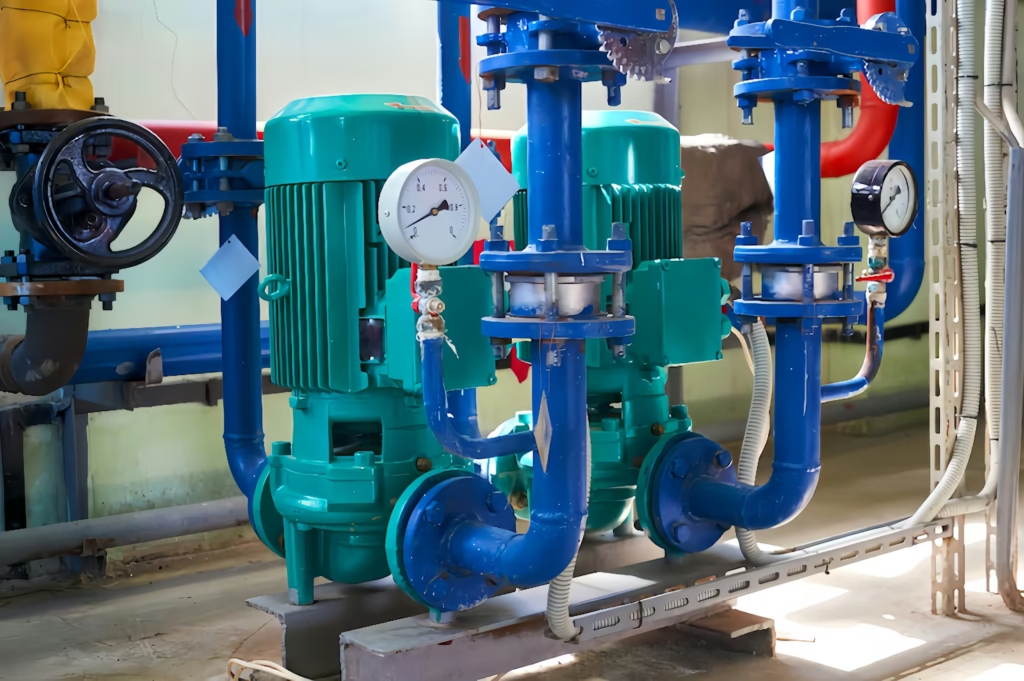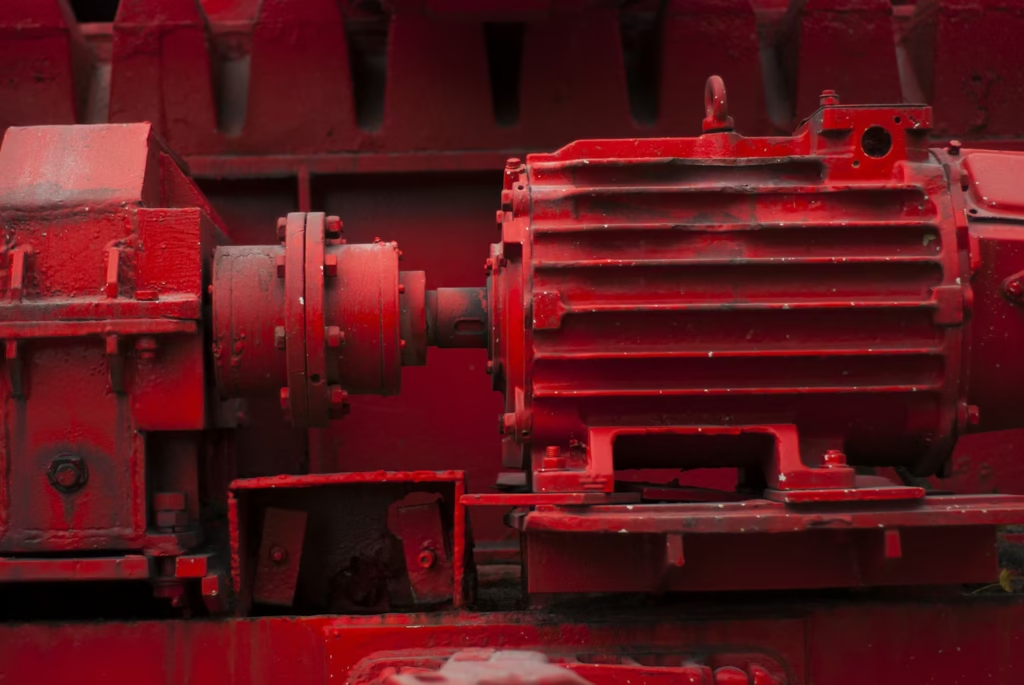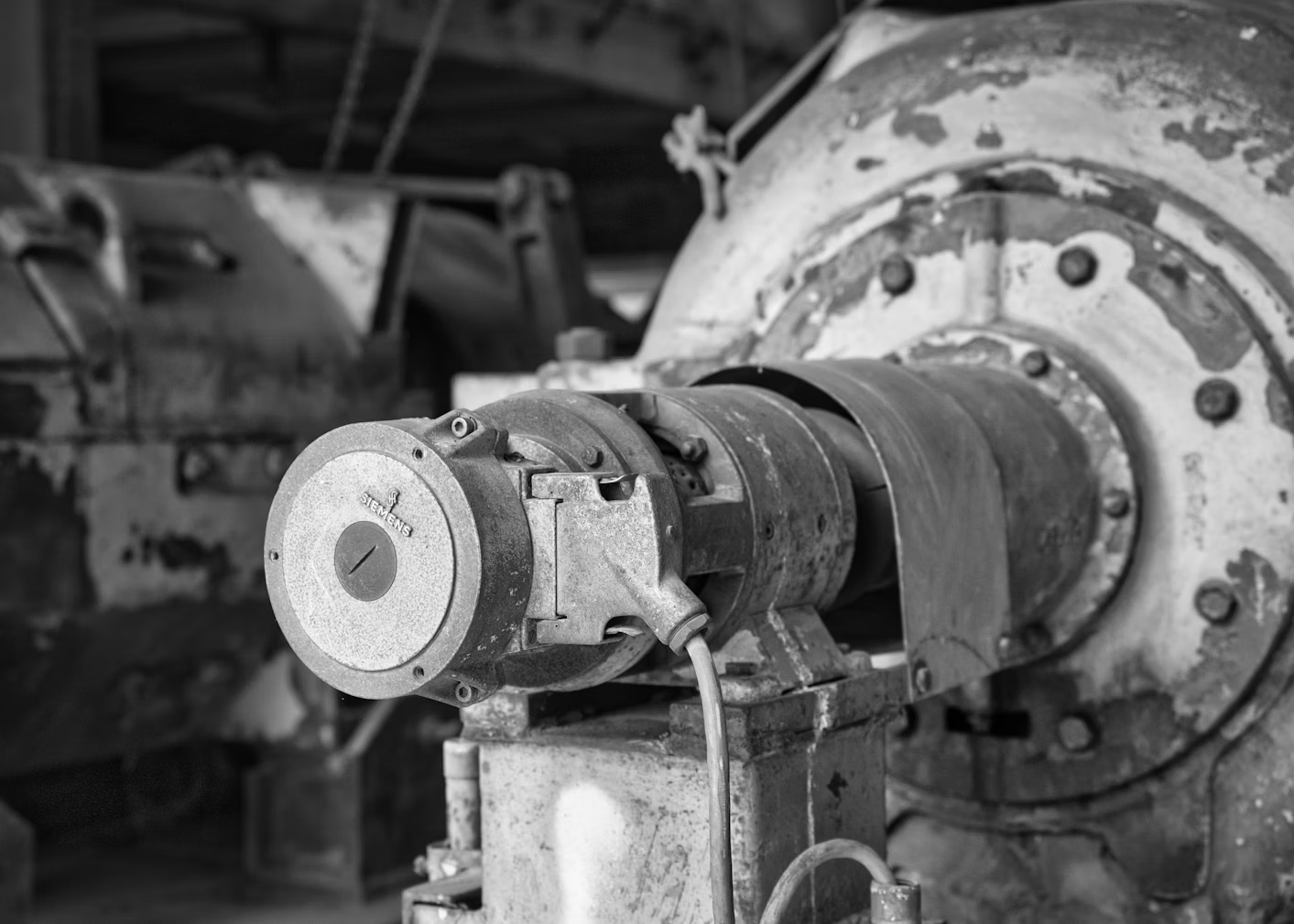
High vibration is one of the most common warning signs in rotating equipment. In industrial plants, vibration problems may appear in pumps, motors, fans, compressors, gearboxes, blowers, conveyors, and other rotating machines.
High vibration should not be ignored because it can lead to bearing failure, mechanical seal failure, coupling damage, shaft damage, foundation problems, and unexpected equipment shutdown.
Understanding the common causes of high vibration helps maintenance engineers troubleshoot the problem correctly.
What Is Vibration in Rotating Equipment?
Vibration is the movement or oscillation of a machine during operation.
A small amount of vibration is normal in rotating equipment. However, excessive vibration is a sign that something is wrong.
High vibration may indicate mechanical, electrical, installation, or process-related problems.
Why High Vibration Is Dangerous
High vibration can damage equipment over time.
It can cause:
- Bearing failure
- Mechanical seal leakage
- Coupling wear
- Shaft damage
- Loose foundation bolts
- Pipe cracks
- Gearbox damage
- Motor damage
- High noise
- Production stoppage
If vibration increases suddenly, the equipment should be inspected immediately.
Common Causes of High Vibration
The most common causes of high vibration include:
- Misalignment
- Unbalance
- Bearing failure
- Loose foundation bolts
- Soft foot
- Coupling damage
- Cavitation
- Pipe strain
- Gearbox problems
- Bent shaft
- Resonance
- Electrical motor problems
- Worn belts or pulleys
- Poor installation
- Operating away from design condition
A proper diagnosis is required before replacing parts.
Misalignment
Misalignment happens when two connected shafts are not properly aligned.
This is common between:
- Motor and pump
- Motor and gearbox
- Motor and fan
- Motor and compressor
Misalignment can cause vibration, bearing overheating, coupling wear, and mechanical seal failure.
Signs of misalignment include:
- High vibration near coupling area
- Coupling wear
- Bearing temperature increase
- Repeated seal failure
- Abnormal noise
Shaft alignment should be checked using proper tools such as dial indicator or laser alignment system.
Unbalance
Unbalance happens when the rotating mass is not evenly distributed around the shaft centerline.
This creates centrifugal force during rotation and causes vibration.
Common causes of unbalance include:
- Dirt buildup on fan blades
- Damaged impeller
- Missing balance weight
- Uneven wear
- Broken blade
- Material buildup
- Poor repair work
- Manufacturing defect
Unbalance is common in fans, blowers, pumps, and rotating drums.
Bearing Failure
Damaged bearings are a common source of vibration.
Bearing problems may happen due to:
- Poor lubrication
- Over-lubrication
- Contamination
- Misalignment
- Overload
- Water ingress
- Incorrect installation
- Normal wear
Signs of bearing failure include:
- High vibration
- Abnormal noise
- High bearing temperature
- Rough rotation
- Grease leakage
- Metal particles in lubricant
Bearing condition should be checked when vibration increases.
Loose Foundation Bolts
Loose foundation or mounting bolts can cause machine movement and vibration.
Check:
- Motor base bolts
- Pump base bolts
- Gearbox mounting bolts
- Foundation bolts
- Base frame condition
- Grouting condition
Loose bolts may also cause misalignment and coupling damage.
Soft Foot
Soft foot happens when one or more machine feet do not sit properly on the base.
When bolts are tightened, the machine frame may twist and create misalignment.
Common causes include:
- Uneven baseplate
- Dirt under machine feet
- Bent machine foot
- Incorrect shims
- Damaged mounting surface
- Loose foundation
Soft foot should be corrected before final shaft alignment.
Coupling Damage
The coupling transfers power from the motor to the driven equipment.
A damaged coupling can create vibration and noise.
Common coupling problems include:
- Worn coupling element
- Loose coupling bolts
- Cracked coupling
- Misalignment
- Incorrect coupling size
- Poor installation
- Missing guard bolts
If coupling damage is found, alignment should also be checked.
Cavitation
Cavitation is a common cause of vibration in pumps.
It happens when vapor bubbles form and collapse inside the pump.
Signs of cavitation include:
- Noise like stones inside the pump
- High vibration
- Low flow
- Low discharge pressure
- Impeller damage
- Mechanical seal failure
Common causes include:
- Low suction pressure
- Blocked suction strainer
- Closed suction valve
- High liquid temperature
- Poor suction piping design
- Pump operating away from design point
Cavitation must be corrected quickly to avoid pump damage.
Pipe Strain
Pipe strain happens when connected piping applies force on equipment.
This is common in pump installations.
Poor pipe support or forced flange connection can move the pump casing and disturb alignment.
Signs of pipe strain include:
- Difficulty aligning pump and motor
- Pump movement after pipe connection
- High vibration
- Seal leakage
- Bearing failure
- Coupling wear
Pipe strain should be corrected before alignment.
Gearbox Problems
Gearbox defects can cause high vibration and abnormal noise.
Possible causes include:
- Gear wear
- Broken gear teeth
- Bearing failure
- Low oil level
- Wrong oil grade
- Misalignment
- Overload
- Loose mounting bolts
Gearbox vibration should be investigated carefully because internal damage can become serious quickly.
Bent Shaft
A bent shaft can cause high vibration and abnormal rotation.
Possible causes include:
- Mechanical impact
- Overload
- Incorrect handling
- Severe bearing failure
- Improper installation
- Shaft damage during repair
A bent shaft may require runout measurement and machine inspection.
Resonance
Resonance happens when the operating speed of the machine matches the natural frequency of the structure or equipment.
This can greatly increase vibration.
Resonance problems may appear after:
- Speed change
- VFD installation
- Structural modification
- Foundation change
- Equipment replacement
- Support modification
Resonance diagnosis may require vibration analysis by a specialist.
Electrical Motor Problems
Some vibration problems are related to the electric motor.
Possible causes include:
- Rotor imbalance
- Broken rotor bar
- Air gap eccentricity
- Bearing current damage
- Loose stator core
- Electrical imbalance
- Poor motor mounting
Electrical and mechanical teams should work together during vibration troubleshooting.
Belt and Pulley Problems
For belt-driven equipment, vibration may come from belt or pulley issues.
Check:
- Belt tension
- Belt wear
- Pulley alignment
- Pulley damage
- Uneven belt length
- Cracked belts
- Loose pulley
- Belt contamination
Incorrect belt tension can damage bearings and increase vibration.
Poor Installation
Poor installation can cause vibration from the first day of operation.
Common installation problems include:
- Poor alignment
- Uneven base
- Loose bolts
- Pipe strain
- Wrong coupling installation
- Poor grouting
- Incorrect shimming
- Poor leveling
Installation quality has a major effect on equipment reliability.
Operating Away From Design Condition
Equipment may vibrate when it operates outside its design range.
Examples include:
- Pump running at very low flow
- Fan operating with blocked duct
- Compressor operating under abnormal pressure
- Conveyor overloaded
- Gearbox overloaded
The process condition must be checked during vibration troubleshooting.
Vibration Troubleshooting Checklist
| Check Point | What to Verify |
|---|---|
| Alignment | Motor and driven equipment alignment |
| Balance | Fan, impeller, rotor, or rotating part balance |
| Bearings | Noise, temperature, vibration, and lubrication |
| Foundation | Loose bolts, cracks, and base condition |
| Soft foot | Machine feet properly seated |
| Coupling | Wear, damage, and loose bolts |
| Process condition | Flow, pressure, load, and operating point |
| Cavitation | Pump noise and suction condition |
| Pipe strain | Pipe support and flange alignment |
| Gearbox | Oil level, noise, and internal condition |
| Motor | Electrical and mechanical condition |
| Belts | Tension, wear, and pulley alignment |
Practical Field Example
A centrifugal pump has high vibration and repeated mechanical seal failure.
The mechanical seal is replaced several times, but the problem returns.
The maintenance team checks the alignment and finds that the motor and pump are misaligned. The coupling element is also worn.
After correcting the alignment and replacing the coupling element, vibration is reduced and seal life improves.
In this case, the seal failure was a result of vibration, not the root cause.
What Not to Do
Do not replace bearings immediately without checking alignment, balance, and lubrication.
Do not ignore vibration because the machine is still running.
Do not remove guards while equipment is operating.
Do not assume every vibration problem is caused by bearings.
Do not restart equipment with severe vibration without proper inspection.
Preventive Maintenance Tips
To reduce vibration problems:
- Perform proper shaft alignment
- Check and correct soft foot
- Inspect coupling condition
- Monitor bearing temperature
- Follow lubrication schedule
- Check foundation bolts
- Clean fan blades and impellers
- Monitor vibration trends
- Investigate abnormal noise
- Keep maintenance records
- Correct process restrictions
Safety Notes
Before inspecting rotating equipment, follow the approved site safety procedure.
If physical inspection is required, isolate the equipment and apply lockout/tagout.
Never touch rotating parts while the equipment is running.
Never remove coupling guards during operation.
Use proper PPE and keep a safe distance from rotating machines.
Conclusion
High vibration in rotating equipment is a serious warning sign.
Common causes include misalignment, unbalance, bearing failure, loose foundation, soft foot, coupling damage, cavitation, pipe strain, gearbox defects, bent shaft, resonance, electrical motor problems, belt issues, poor installation, and abnormal operating conditions.
A good troubleshooting approach should focus on finding the root cause, not only replacing damaged parts.
Regular alignment, lubrication, vibration monitoring, and proper installation help reduce vibration-related failures and improve equipment reliability.