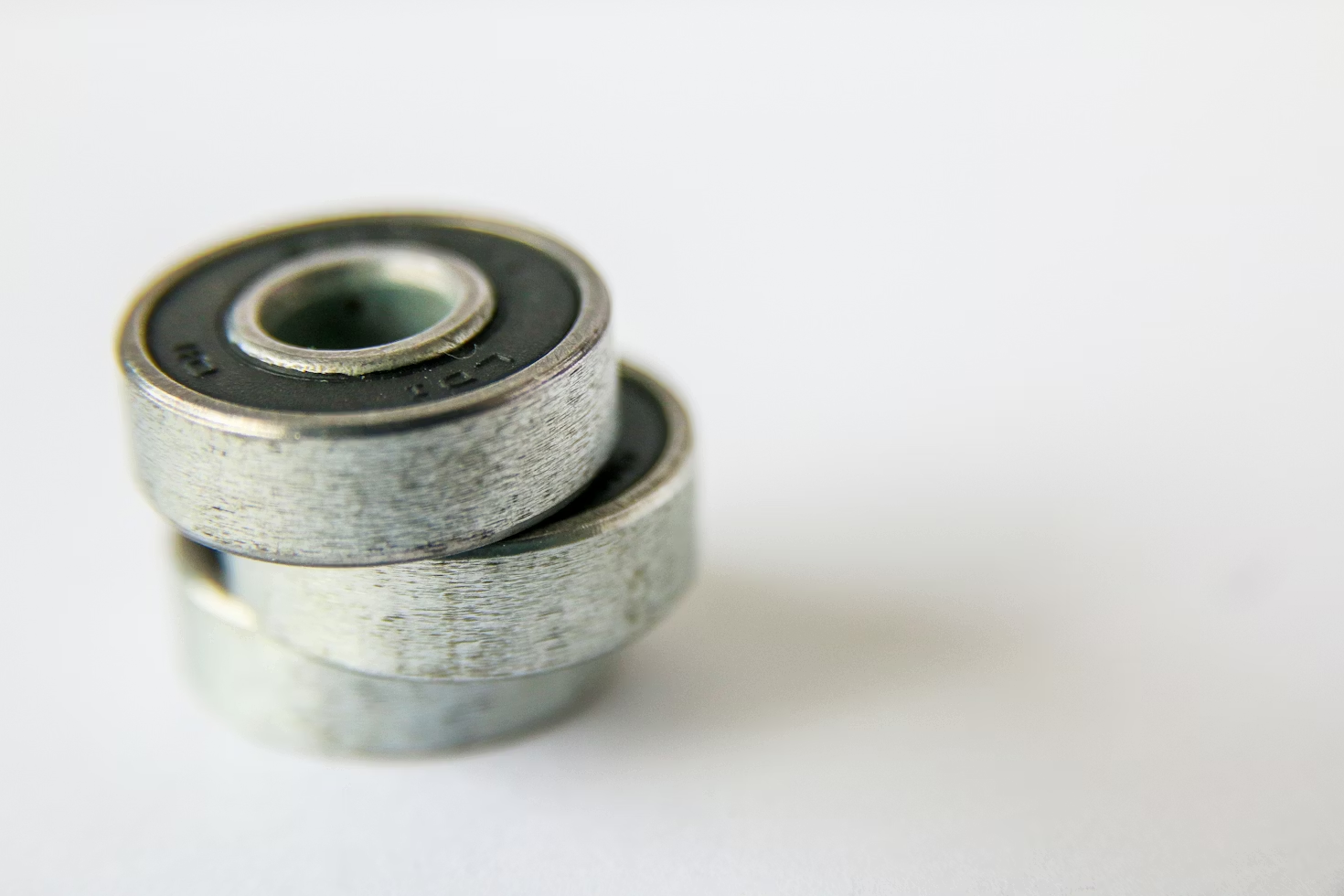
Bearings are critical components in rotating equipment. They support rotating shafts and help machines run smoothly with minimum friction.
In industrial plants, bearings are used in motors, pumps, fans, compressors, gearboxes, conveyors, blowers, and many other machines.
Bearing failure can cause high vibration, abnormal noise, overheating, equipment shutdown, shaft damage, and unexpected production stoppage.
What Is Bearing Failure?
Bearing failure means the bearing can no longer perform its function properly.
A failed bearing may create:
- Abnormal noise
- High vibration
- High temperature
- Rough rotation
- Shaft movement
- Grease leakage
- Equipment trip
- Mechanical damage
If bearing failure is ignored, it can damage the shaft, housing, coupling, seal, motor, or gearbox.
Common Causes of Bearing Failure
The most common causes of bearing failure include:
- Poor lubrication
- Over-lubrication
- Contaminated lubricant
- Misalignment
- Overload
- Incorrect installation
- Vibration
- Bearing overheating
- Water ingress
- Dust contamination
- Electrical current passing through bearing
- Incorrect bearing selection
- Poor storage
- Normal wear over time
A good maintenance engineer should identify the root cause, not only replace the bearing.
Poor Lubrication
Poor lubrication is one of the most common causes of bearing failure.
Bearings need the correct lubricant to reduce friction and heat.
Poor lubrication may happen due to:
- Too little grease
- Wrong grease type
- Old grease
- Dry bearing
- Lubrication interval too long
- Blocked grease line
- No lubrication schedule
Signs of poor lubrication include high temperature, noise, vibration, and bearing wear.
Over-Lubrication
Too much grease can also damage bearings.
Over-lubrication can cause:
- High bearing temperature
- Grease churning
- Seal damage
- Grease leakage
- Increased motor load
- Contamination around bearing housing
This is common when technicians grease bearings without knowing the correct quantity.
Always follow manufacturer recommendations and site lubrication standards.
Contaminated Lubricant
Contaminated grease or oil can reduce bearing life.
Common contaminants include:
- Dust
- Dirt
- Water
- Metal particles
- Chemical contamination
- Old degraded lubricant
Contamination can create wear, corrosion, and overheating.
Lubricants should be stored properly and applied using clean tools.
Misalignment
Misalignment increases load on the bearing.
It can happen when connected shafts are not properly aligned.
Misalignment can cause:
- High vibration
- Bearing overheating
- Coupling wear
- Mechanical seal failure
- Uneven bearing load
- Short bearing life
Bearings often fail repeatedly when alignment is not corrected.
Overload
Bearings are designed for specific load limits.
Overload can reduce bearing life and cause early failure.
Common causes of overload include:
- Excessive mechanical load
- High belt tension
- Pump operating outside design range
- Conveyor overload
- Gearbox problem
- Incorrect bearing selection
- Shock load
If a bearing fails frequently, check the actual operating load.
Incorrect Installation
Incorrect bearing installation can damage the bearing before it even starts operating.
Common installation mistakes include:
- Hammering directly on the bearing
- Applying force to the wrong bearing ring
- Using wrong tools
- Dirty installation area
- Incorrect fit
- Misalignment during installation
- Damaging seals
- Not following heating procedure for shrink fit
Bearings should be installed using proper tools and approved methods.
Vibration
High vibration can damage bearings and reduce their life.
Vibration may come from:
- Misalignment
- Unbalance
- Loose foundation
- Damaged coupling
- Cavitation in pumps
- Gearbox defects
- Bent shaft
- Soft foot
Vibration analysis can help detect bearing defects at an early stage.
Bearing Overheating
Bearing overheating is a warning sign.
Common causes include:
- Poor lubrication
- Over-greasing
- High load
- Misalignment
- High speed
- Contamination
- Incorrect bearing clearance
- Poor ventilation
- Nearby heat source
High temperature should be investigated before the bearing fails completely.
Water Ingress
Water entering the bearing can damage lubricant and cause corrosion.
Common causes include:
- Poor sealing
- Outdoor installation
- Washdown area
- Pump seal leakage
- High humidity
- Condensation
- Damaged bearing housing seal
Water contamination can quickly reduce bearing life.
Dust and Dirt Contamination
Dust and dirt can enter the bearing through damaged seals or poor maintenance practice.
Contamination causes abrasive wear and increases friction.
This is common in:
- Cement plants
- Steel plants
- Sand blasting areas
- Coating plants
- Dust collector systems
- Outdoor equipment
Good sealing and proper housekeeping help protect bearings.
Electrical Current Through Bearing
In some motors and VFD applications, electrical current may pass through bearings.
This can cause electrical pitting and fluting.
Signs may include:
- Bearing noise
- Repeated bearing failure
- Fluting marks on bearing raceway
- Vibration increase
- Motor bearing damage
Possible solutions include insulated bearings, shaft grounding brushes, and proper VFD installation practices.
Incorrect Bearing Selection
A bearing must be suitable for the application.
Wrong bearing selection can cause early failure.
Selection factors include:
- Load type
- Load direction
- Speed
- Temperature
- Environment
- Lubrication method
- Shaft size
- Housing type
- Duty cycle
- Manufacturer recommendation
Do not replace a bearing only by physical appearance. Always verify the bearing number and specification.
Poor Bearing Storage
Bearings can be damaged before installation if they are stored incorrectly.
Poor storage conditions include:
- High humidity
- Dust exposure
- Vibration
- Damaged packaging
- Direct floor storage
- Chemical exposure
- Rust formation
Bearings should be stored in clean, dry, and vibration-free locations.
Signs of Bearing Failure
Common signs include:
- Abnormal noise
- High vibration
- High temperature
- Rough rotation
- Grease leakage
- Metal particles in grease
- Equipment trip
- Shaft movement
- Burning smell
- Repeated coupling or seal failure
Early detection helps avoid major equipment damage.
Bearing Failure Troubleshooting Checklist
| Check Point | What to Verify |
|---|---|
| Lubrication | Correct type, quantity, and interval |
| Temperature | Compare with normal operating value |
| Vibration | Check trend and abnormal increase |
| Alignment | Verify shaft alignment |
| Load | Check for overload condition |
| Installation | Check if bearing was installed correctly |
| Contamination | Check for dust, water, and dirt |
| Seals | Inspect bearing housing seals |
| Bearing type | Verify correct bearing selection |
| Storage | Check storage condition before installation |
| Electrical current | Check VFD motor bearing issues if applicable |
Practical Field Example
A motor bearing fails repeatedly every few months.
The bearing is replaced several times, but the problem returns.
After investigation, the maintenance team finds that the motor is connected to a VFD and there is evidence of electrical fluting on the bearing raceway.
In this case, replacing the bearing alone will not solve the problem. The root cause is electrical current passing through the bearing.
A proper solution may include insulated bearings, shaft grounding, and checking VFD grounding installation.
Preventive Maintenance Tips
To reduce bearing failures:
- Use correct lubricant
- Follow lubrication schedule
- Avoid over-greasing
- Keep lubricant clean
- Check vibration trends
- Monitor bearing temperature
- Check alignment
- Inspect seals
- Protect bearings from dust and water
- Use proper installation tools
- Store bearings correctly
- Investigate repeated failures
Common Mistakes
Common mistakes include:
- Adding too much grease
- Using wrong grease type
- Ignoring vibration
- Ignoring bearing noise
- Replacing bearing without checking alignment
- Installing bearing with hammer impact
- Using dirty tools
- Leaving bearing exposed before installation
- Ignoring water ingress
- Replacing repeated failures without root cause analysis
Safety Notes
Before inspecting or replacing bearings, isolate the equipment and apply lockout/tagout.
Rotating equipment can be dangerous. Never touch rotating shafts, couplings, belts, or fans while the machine is running.
Allow hot equipment to cool before maintenance.
Always reinstall guards before startup.
Conclusion
Bearing failure is a common problem in industrial plants and can lead to serious equipment damage if ignored.
The main causes include poor lubrication, over-lubrication, contamination, misalignment, overload, incorrect installation, vibration, overheating, water ingress, electrical current, and incorrect bearing selection.
A proper maintenance approach should focus on identifying the root cause, not only replacing the bearing.
Good lubrication practice, alignment, vibration monitoring, clean installation, and proper storage can greatly improve bearing life.