Industrial HVAC systems are important for maintaining temperature, ventilation, air quality, equipment cooling, and worker comfort inside industrial facilities.
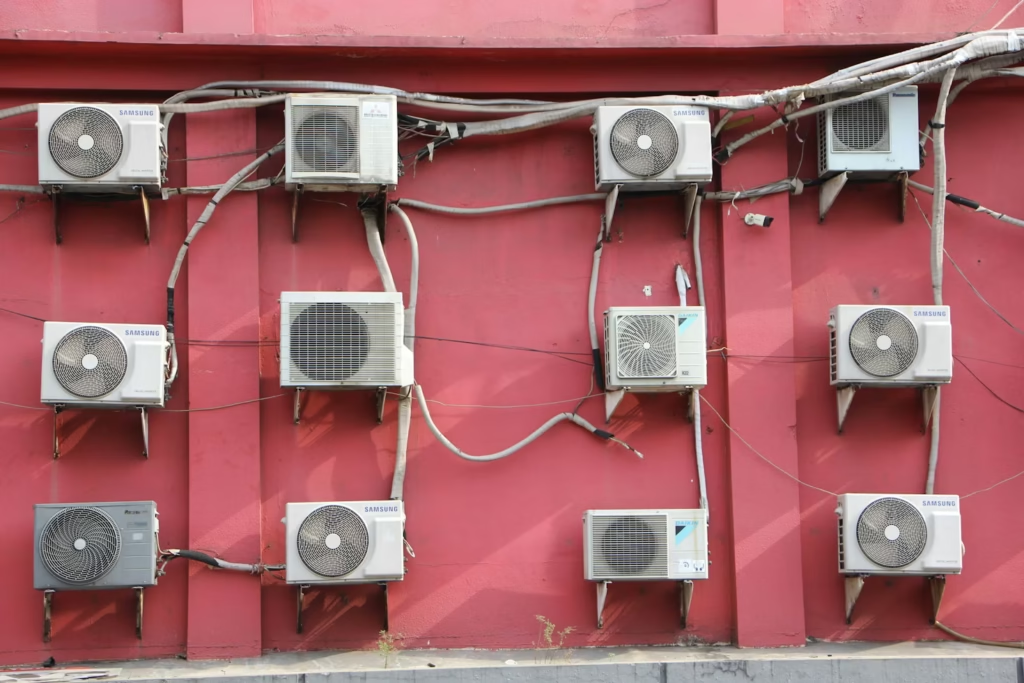
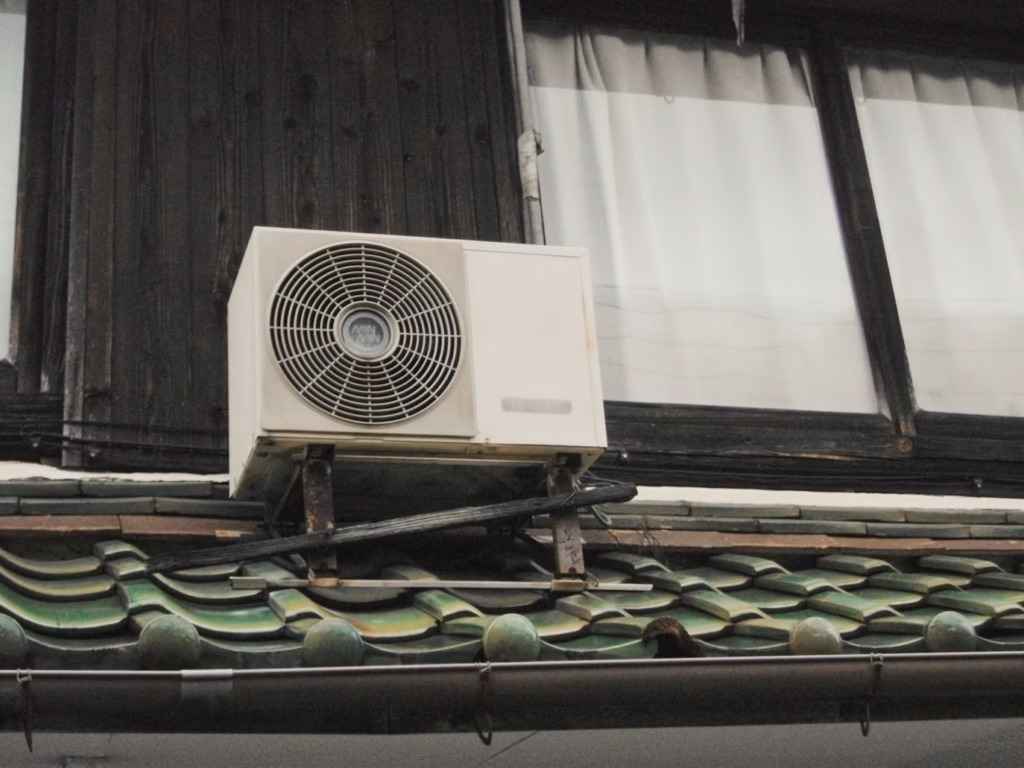
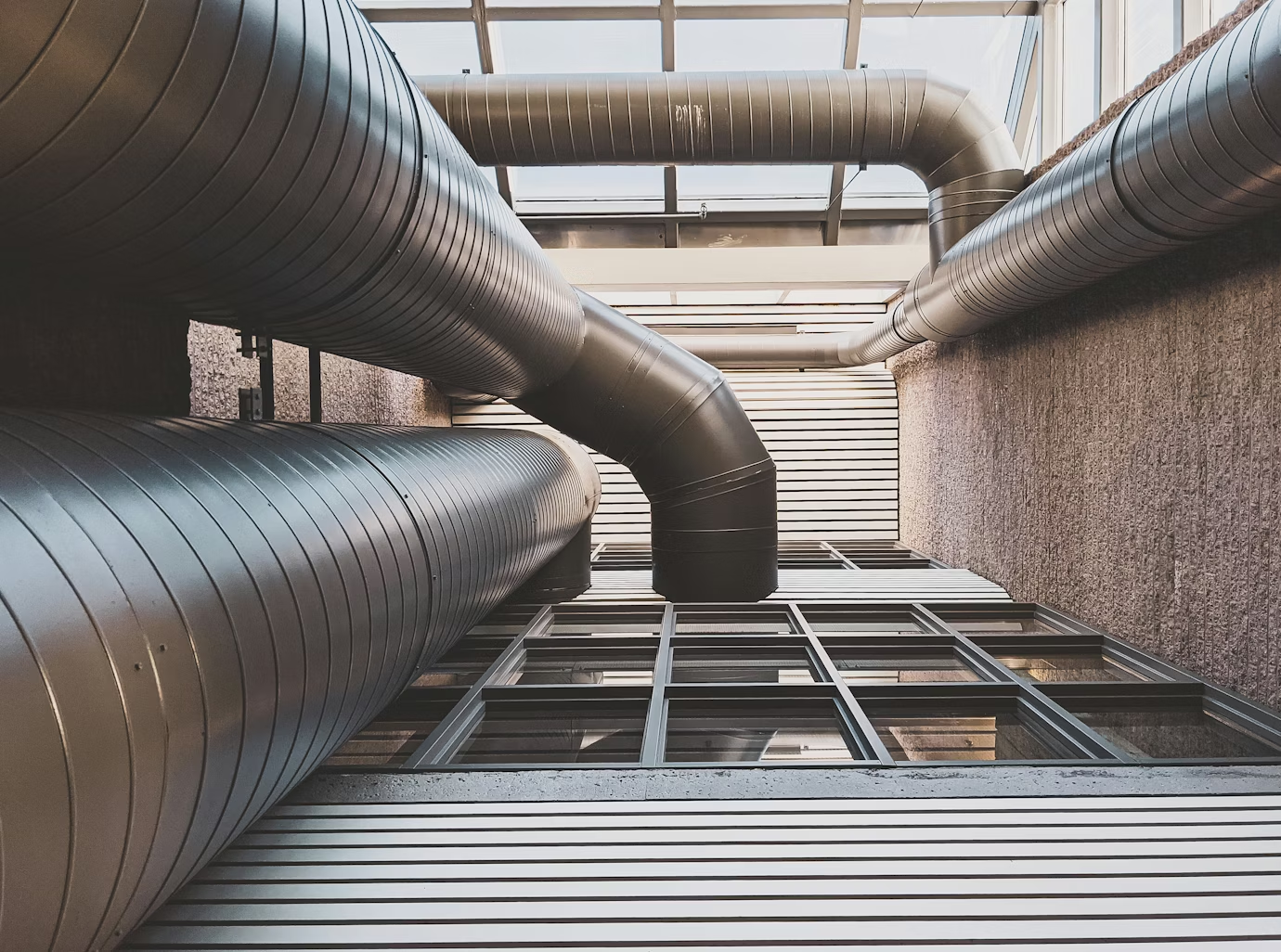
In factories and plants, HVAC systems may include split AC units, package units, air handling units, exhaust fans, chillers, cooling towers, ducts, filters, and control systems.
Preventive maintenance helps reduce breakdowns, improve cooling performance, reduce energy consumption, and extend equipment life.
What Is Industrial HVAC?
HVAC stands for Heating, Ventilation, and Air Conditioning.
In industrial facilities, HVAC systems are used for:
- Cooling offices and control rooms
- Ventilating production areas
- Cooling electrical rooms
- Cooling MCC and control rooms
- Removing dust and fumes
- Maintaining air quality
- Supporting process requirements
- Protecting sensitive equipment
Industrial HVAC systems may operate in harsh environments with dust, heat, humidity, vibration, and continuous operation.
Why HVAC Preventive Maintenance Is Important
HVAC systems can fail due to dirty filters, blocked coils, refrigerant issues, fan problems, electrical faults, poor drainage, and control problems.
Without preventive maintenance, HVAC systems may develop problems such as:
- Poor cooling
- High energy consumption
- Compressor failure
- Fan motor failure
- Water leakage
- Ice formation
- Bad smell
- High room temperature
- Electrical trips
- Dirty air supply
- Short cycling
- Control faults
Preventive maintenance helps detect these problems early.
Safety Before HVAC Maintenance
Before starting HVAC maintenance, follow site safety procedures.
Basic safety steps include:
- Obtain work permit if required
- Inform affected users or operation team
- Isolate electrical supply
- Apply lockout/tagout if required
- Use proper PPE
- Use safe access equipment
- Follow work at height requirements if applicable
- Avoid contact with rotating fans
- Handle refrigerant safely
- Keep the work area clean
Never work on rotating fans, live terminals, or pressurized refrigerant systems without proper control.
Industrial HVAC Preventive Maintenance Checklist
| Inspection Point | What to Check |
|---|---|
| Air filters | Clean, clogged, damaged, or due for replacement |
| Evaporator coil | Dirt, dust, ice, and airflow restriction |
| Condenser coil | Dirt, blockage, and heat rejection condition |
| Fan motor | Noise, vibration, overheating, and current |
| Blower | Airflow, belt, bearing, and cleanliness |
| Compressor | Noise, vibration, current, and temperature |
| Refrigerant line | Oil marks, leakage signs, insulation condition |
| Drain line | Blockage, leakage, and water flow |
| Electrical panel | Loose terminals, contactors, relays, and capacitors |
| Thermostat | Temperature setting and response |
| Ducts | Air leakage, damage, and insulation |
| Louvers/grilles | Cleanliness and airflow |
| Outdoor unit | Clearance, vibration, and physical condition |
| Mounting | Bolts, brackets, and supports |
| Control system | Alarms, sensors, and operation mode |
Daily HVAC Checks
Daily checks are usually visual and operational.
Check:
- Cooling performance
- Abnormal noise
- Water leakage
- Room temperature
- Airflow from supply grille
- Thermostat display
- Alarm indication
- Outdoor unit running condition
- Unusual smell
- Excessive vibration
Daily checks are useful for critical areas such as electrical rooms, server rooms, and control rooms.
Weekly HVAC Checks
Weekly checks may include:
- Filter condition
- Drain line condition
- Outdoor unit cleanliness
- Abnormal vibration
- Fan operation
- Thermostat setting
- Airflow condition
- Water leakage signs
- General housekeeping around units
Filters may require frequent cleaning in dusty industrial areas.
Monthly HVAC Maintenance
Monthly HVAC maintenance can include:
- Cleaning or replacing filters
- Cleaning indoor unit cover
- Checking evaporator coil condition
- Checking condenser coil condition
- Checking fan motor current
- Checking compressor current
- Checking electrical terminals visually
- Checking drain line
- Checking thermostat operation
- Inspecting refrigerant piping insulation
- Recording temperature readings
Monthly checks help maintain cooling performance.
Quarterly HVAC Maintenance
Quarterly maintenance may include deeper inspection:
- Coil cleaning
- Blower inspection
- Fan bearing inspection
- Belt inspection if applicable
- Electrical terminal tightening after isolation
- Contactor inspection
- Capacitor check
- Refrigerant leak inspection
- Drain tray cleaning
- Control sensor inspection
- Airflow check
- Vibration check
The exact frequency depends on site conditions.
Air Filter Maintenance
Dirty air filters are one of the most common HVAC problems.
Dirty filters can cause:
- Poor airflow
- Poor cooling
- Coil icing
- High energy consumption
- Compressor stress
- Dust inside ducts
- Bad air quality
Filters should be cleaned or replaced based on operating conditions and manufacturer recommendations.
Evaporator Coil Inspection
The evaporator coil absorbs heat from indoor air.
Check the coil for:
- Dust accumulation
- Ice formation
- Blocked airflow
- Corrosion
- Water leakage
- Drain tray condition
- Bad smell
A dirty evaporator coil reduces cooling performance and may cause ice buildup.
Condenser Coil Inspection
The condenser coil rejects heat to outside air.
Check:
- Dust and dirt buildup
- Blocked fins
- Physical damage
- Airflow obstruction
- Fan operation
- Heat rejection condition
- Clearance around outdoor unit
A dirty condenser coil can cause high compressor pressure and high energy consumption.
Fan and Blower Inspection
Fans and blowers are important for airflow.
Check:
- Abnormal noise
- Vibration
- Bearing condition
- Fan blade cleanliness
- Belt condition if applicable
- Pulley alignment if applicable
- Motor current
- Airflow
Poor airflow is a common cause of HVAC complaints.
Compressor Inspection
The compressor is one of the most important and expensive HVAC components.
Check:
- Abnormal noise
- Vibration
- Starting condition
- Running current
- Overheating
- Short cycling
- Oil marks around refrigerant line
- Electrical connections
- Contactor condition
- Capacitor condition if applicable
Repeated compressor trips should be investigated carefully.
Electrical Components
HVAC electrical components may include:
- Contactors
- Capacitors
- Relays
- Overload protection
- Circuit breakers
- Control boards
- Sensors
- Fan motors
- Compressor terminals
Check for:
- Burn marks
- Loose terminals
- Abnormal smell
- Overheating
- Damaged wires
- Corrosion
- Insects or dust inside panels
Electrical inspection should be done safely after isolation.
Refrigerant Leak Inspection
Low refrigerant can cause poor cooling and compressor damage.
Signs of refrigerant leak include:
- Poor cooling
- Ice on evaporator coil
- Oil marks on refrigerant pipe
- Low suction pressure
- Compressor overheating
- Bubbles at suspected leak points
- Frequent gas top-up requirement
Refrigerant work should be done by trained personnel.
Drain Line Maintenance
Blocked drain lines can cause water leakage.
Check:
- Drain tray cleanliness
- Drain pipe slope
- Water flow
- Slime or blockage
- Drain insulation
- Leakage points
- Bad smell
Drain cleaning is important, especially in humid conditions.
Thermostat and Control Check
Thermostat or controller problems can cause incorrect operation.
Check:
- Temperature reading
- Set point
- Mode selection
- Fan mode
- Sensor location
- Response to set point change
- Display condition
- Wiring condition
Incorrect thermostat location may cause poor temperature control.
Duct and Air Distribution Check
For ducted systems, check:
- Duct leakage
- Damaged insulation
- Dirty grilles
- Blocked diffusers
- Poor airflow balance
- Loose flexible ducts
- Air noise
- Condensation on ducts
Poor duct condition can reduce system performance.
Common HVAC Problems
Common HVAC problems in industrial facilities include:
- Dirty filters
- Poor cooling
- Water leakage
- Compressor trip
- Fan motor failure
- Blocked drain
- Low refrigerant
- Dirty condenser coil
- Dirty evaporator coil
- Thermostat fault
- Electrical contactor failure
- Capacitor failure
- Duct leakage
- Bad smell
- High energy consumption
HVAC Maintenance Report
A good HVAC maintenance report should include:
- Unit tag number
- Location
- Unit type
- Date of inspection
- Filter condition
- Coil condition
- Drain condition
- Compressor current
- Fan motor current
- Temperature readings
- Abnormal findings
- Corrective actions
- Spare parts used
- Technician name
- Engineer review
Good records help track repeated HVAC problems.
Recommended HVAC Maintenance Frequency
Maintenance frequency depends on environment, operating hours, dust level, humidity, and unit criticality.
A common approach is:
| Activity | Suggested Frequency |
|---|---|
| Visual operation check | Daily or weekly |
| Filter cleaning | Weekly or monthly |
| Drain check | Monthly |
| Coil inspection | Monthly or quarterly |
| Electrical inspection | Quarterly |
| Deep cleaning | Quarterly or semi-annually |
| Full preventive maintenance | Semi-annually or annually |
Industrial areas may need more frequent filter cleaning than offices.
Common HVAC Maintenance Mistakes
Common mistakes include:
- Ignoring dirty filters
- Washing coils without protecting electrical parts
- Repeated refrigerant charging without leak repair
- Ignoring drain blockage
- Not checking condenser coil
- Not checking fan motor current
- Ignoring abnormal compressor noise
- Poor access safety for rooftop units
- No maintenance records
- Not cleaning outdoor unit area
Practical Field Example
An electrical room AC unit is not cooling properly.
The technician checks the unit and finds that the air filter is fully clogged and the condenser coil is dirty.
Because airflow and heat rejection are poor, the compressor is operating under stress.
After cleaning the filter and condenser coil, cooling performance improves.
This shows why basic preventive maintenance is important for HVAC reliability.
Safety Notes
Before performing HVAC maintenance, isolate the electrical supply and follow site safety procedures.
Do not touch rotating fans while the unit is running.
Use proper access equipment for rooftop or high-level units.
Refrigerant systems should be handled by trained personnel.
Do not bypass safety controls or overload protection.
Conclusion
Industrial HVAC preventive maintenance is essential for reliable cooling, ventilation, energy efficiency, and equipment protection.
A good HVAC checklist should include filters, coils, fans, compressor, refrigerant lines, drains, electrical components, thermostat, ducts, and general unit condition.
Regular maintenance helps reduce breakdowns, improve cooling performance, and extend HVAC equipment life.