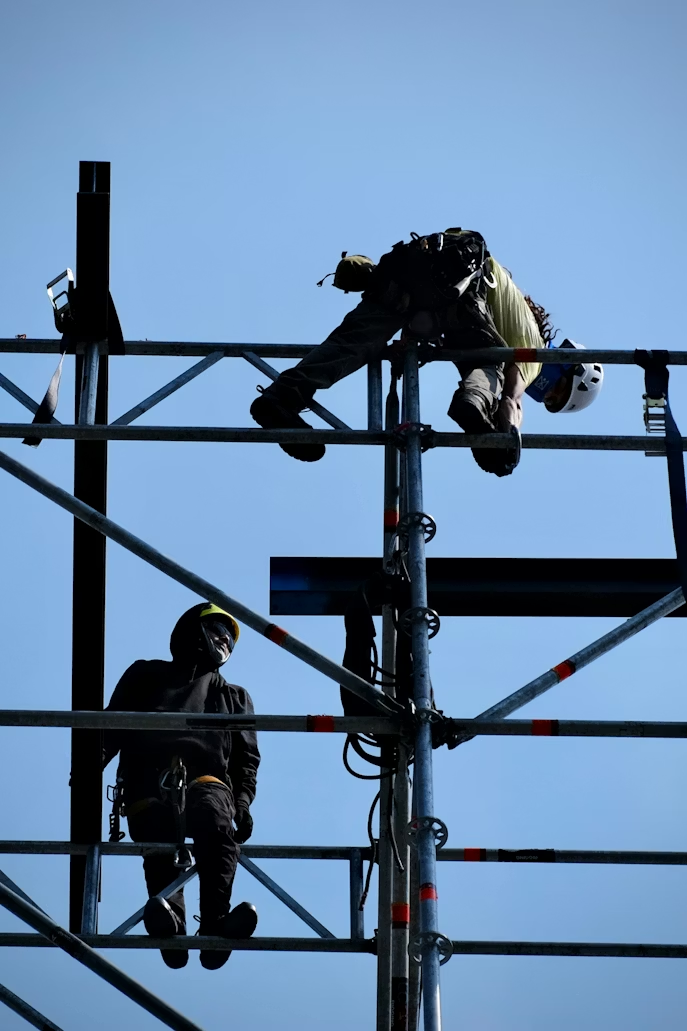
Work at height is one of the most critical activities in industrial maintenance. Maintenance teams may need to work at height when repairing lights, inspecting cranes, maintaining HVAC units, cleaning ducts, working on cable trays, or accessing elevated platforms.
A Work at Height permit helps control the risks before the job starts. It ensures that access equipment, fall protection, supervision, and rescue arrangements are checked and approved.
What Is Work at Height?
Work at height means any work where a person could fall from one level to another and get injured.
This may include working on:
- Scaffolding
- Ladders
- Mobile elevated work platforms
- Roofs
- Platforms
- Cable trays
- Crane structures
- Mezzanine areas
- Pipe racks
- Tanks
- Elevated equipment
Even a small fall can cause serious injury if the work is not controlled properly.
Why a Work at Height Permit Is Required
A Work at Height permit is required to make sure the job is reviewed before starting.
The permit helps confirm:
- The work area is safe
- Access method is approved
- Fall protection is available
- Workers are competent
- Weather condition is acceptable if outdoor
- Tools and materials are secured
- Rescue plan is available
- Safety supervisor or inspector approval is obtained if required
The permit is not just paperwork. It is a control tool to prevent falls and serious injuries.
Common Maintenance Jobs That Require Work at Height Permit
Maintenance activities that may require a Work at Height permit include:
- Replacing high-bay lights
- Inspecting EOT cranes
- Maintaining crane rails
- Cleaning or repairing ducts
- Working on roof-mounted HVAC units
- Cable tray installation
- Camera or sensor installation
- Pipe rack inspection
- Working on elevated platforms
- Scaffolding work
- Using manlift or boom lift
- Accessing tank top areas
Each site may define its own height limit and permit requirements.
Main Hazards of Work at Height
Work at height has several hazards, including:
- Fall of person
- Falling tools or materials
- Unstable access equipment
- Unsafe scaffolding
- Ladder slip
- Weak platform
- Poor edge protection
- Weather conditions
- Electrical hazards
- Poor lighting
- Poor housekeeping
- No rescue plan
These hazards must be identified before the work starts.
Work at Height Permit Requirements
Before issuing a Work at Height permit, the following items should be checked:
| Requirement | What to Verify |
|---|---|
| Work location | Exact location and equipment tag |
| Work scope | Clear description of the task |
| Access method | Scaffold, ladder, MEWP, platform, or fixed access |
| Risk assessment | JSA or risk assessment approved |
| Fall protection | Harness, lifeline, guardrail, or fall arrest system |
| Tools | Tools secured from falling |
| Barricade | Area below barricaded |
| Competency | Workers trained and authorized |
| Inspection | Scaffold or access equipment inspected |
| Rescue plan | Emergency rescue arrangement available |
| Weather | Acceptable outdoor condition |
| Permit validity | Date, time, and responsible persons confirmed |
Access Equipment Selection
The access equipment must be suitable for the job.
Common access methods include:
- Scaffolding
- Mobile scaffold
- Step ladder
- Extension ladder
- Manlift
- Boom lift
- Scissor lift
- Fixed platform
- Roof access
- Permanent ladder
The selected access method should match the work height, duration, task type, and site condition.
Scaffolding Requirements
If scaffolding is used, it should be inspected and approved before use.
Check:
- Scaffold tag status
- Proper base and leveling
- Guardrails installed
- Toe boards installed
- Proper access ladder
- Platform fully decked
- No missing components
- No visible damage
- Proper bracing
- Safe load capacity
- No unauthorized modification
Workers should not use scaffolding if it is not inspected or tagged as safe.
Ladder Safety Requirements
Ladders should only be used for suitable short-duration tasks.
Check:
- Ladder is in good condition
- Correct ladder type
- Stable ground
- Proper angle
- Secured against movement
- No damaged rungs
- No oil or grease
- Worker maintains three points of contact
- Tools are carried safely
- No overreaching
Ladders should not be used as a work platform for long or heavy tasks unless approved by site procedure.
Manlift and Boom Lift Requirements
If a manlift, scissor lift, or boom lift is used, check:
- Valid inspection
- Operator competency
- Ground condition
- Safe working load
- Emergency lowering system
- Guardrails
- Harness requirement
- Travel path clearance
- Overhead obstruction
- Electrical line clearance
- Barricade around work area
Only trained and authorized operators should operate lifting platforms.
Fall Protection Requirements
Fall protection may include:
- Full body harness
- Shock absorbing lanyard
- Double lanyard
- Self-retracting lifeline
- Lifeline system
- Guardrails
- Anchor points
- Safety net where applicable
Fall protection equipment must be inspected before use.
Do not connect a harness to an unapproved anchor point.
Harness Inspection
Before using a safety harness, check:
- Webbing condition
- Stitching
- D-rings
- Buckles
- Lanyard condition
- Shock absorber
- Hooks
- Labels
- Expiry or inspection status
- Signs of damage or chemical exposure
Damaged fall protection equipment must be removed from service.
Barricading the Area Below
When working at height, the area below must be controlled.
Falling tools or materials can injure people below.
Check:
- Barricade installed
- Warning signs available
- No unauthorized access
- Tools secured
- Materials not left loose
- Toe boards installed where required
- Spotter assigned if needed
Dropped objects are a serious risk during work at height.
Tool and Material Control
Tools and materials should be secured to prevent falling.
Controls may include:
- Tool lanyards
- Tool bags
- Buckets
- Rope for lifting tools
- Toe boards
- Controlled lifting method
- No loose materials near edges
Never throw tools or materials from height.
Weather Conditions
For outdoor work at height, weather must be considered.
Work may need to stop during:
- Strong wind
- Rain
- Lightning
- Poor visibility
- Dust storm
- Extreme heat if unsafe
- Slippery surfaces
Weather condition should be reviewed before and during the work.
Electrical Hazards at Height
Electrical hazards are common during maintenance work at height.
Examples include:
- High-bay lighting circuits
- Cable trays
- Bus ducts
- Overhead power lines
- Crane power rails
- Control cables
- Junction boxes
Electrical isolation may be required before work starts.
For electrical maintenance at height, both Work at Height permit and electrical isolation/LOTO may be required.
Rescue Plan
A rescue plan is required before work at height starts.
If a worker falls and is suspended by a harness, rescue must be done quickly and safely.
The rescue plan should consider:
- Rescue method
- Rescue equipment
- Emergency contact
- Trained rescue team
- Access to injured worker
- Suspension trauma risk
- Communication method
Do not start high-risk work at height without a realistic rescue plan.
Roles and Responsibilities
Work at height involves several responsibilities.
The maintenance team should:
- Prepare the work scope
- Identify hazards
- Use approved access
- Inspect tools and PPE
- Follow permit conditions
The safety team or inspector may:
- Review the permit
- Inspect access equipment
- Verify fall protection
- Confirm barricading
- Approve or reject unsafe work
The supervisor should:
- Ensure workers are competent
- Conduct toolbox talk
- Monitor the job
- Stop work if conditions become unsafe
Toolbox Talk Before Work at Height
Before starting work, conduct a toolbox talk.
Discuss:
- Work scope
- Work location
- Access method
- Fall hazards
- Dropped object hazards
- PPE requirements
- Permit conditions
- Rescue plan
- Weather condition
- Emergency contact
- Stop work authority
A good toolbox talk helps ensure all workers understand the risks.
Work at Height Checklist
| Check Point | What to Verify |
|---|---|
| Permit | Work at Height permit approved |
| JSA | Risk assessment completed |
| Access equipment | Suitable and inspected |
| Workers | Trained and authorized |
| Harness | Inspected and used correctly |
| Anchor point | Approved and suitable |
| Barricade | Area below controlled |
| Tools | Secured from falling |
| Weather | Safe for outdoor work |
| Electrical isolation | Completed if required |
| Rescue plan | Available and understood |
| Supervision | Responsible person assigned |
Common Mistakes
Common mistakes during work at height include:
- Using uninspected scaffolding
- Standing on unsafe platforms
- Using damaged ladders
- Not wearing a harness when required
- Connecting harness to weak anchor point
- No barricade below
- Loose tools at height
- No rescue plan
- Ignoring weather condition
- Working near live electrical equipment without isolation
- Modifying scaffold without authorization
These mistakes can lead to serious incidents.
Practical Field Example
A maintenance team needs to replace high-bay lights in a production area.
The team plans to use scaffolding to access the lights. Before starting, they should obtain a Work at Height permit, inspect the scaffold, barricade the area below, isolate the lighting circuit if required, secure tools, wear proper PPE, and confirm rescue arrangements.
If the scaffold is not approved or has safety concerns, the work should not proceed until a safe access method is provided.
When to Stop Work
Work at height should stop if:
- Access equipment is unsafe
- Weather becomes unsafe
- Harness or lanyard is damaged
- Barricade is removed
- Unauthorized people enter the area
- Electrical isolation is not confirmed
- Rescue plan is not available
- Worker is not competent
- Conditions change from the approved permit
Stopping unsafe work is better than accepting unnecessary risk.
Safety Notes
Work at height can cause serious injury or fatality.
Always use approved access equipment, proper fall protection, barricading, and rescue planning.
Never use unsafe scaffolding, damaged ladders, or unapproved anchor points.
Follow the site Work at Height procedure and permit requirements at all times.
Conclusion
A Work at Height permit is an important safety control for industrial maintenance activities.
It helps confirm that hazards are identified, access equipment is safe, fall protection is available, tools are secured, workers are competent, and rescue arrangements are ready.
For maintenance work such as high-bay light replacement, crane inspection, HVAC work, cable tray access, and elevated equipment inspection, proper Work at Height control is essential to prevent falls and serious injuries.