Confined space entry is one of the highest-risk activities in industrial maintenance. Maintenance teams may need to enter tanks, pits, vessels, manholes, ducts, silos, trenches, or enclosed equipment for inspection, cleaning, repair, or troubleshooting.
A confined space entry permit is required to make sure hazards are identified and controlled before any person enters the space.
What Is a Confined Space?
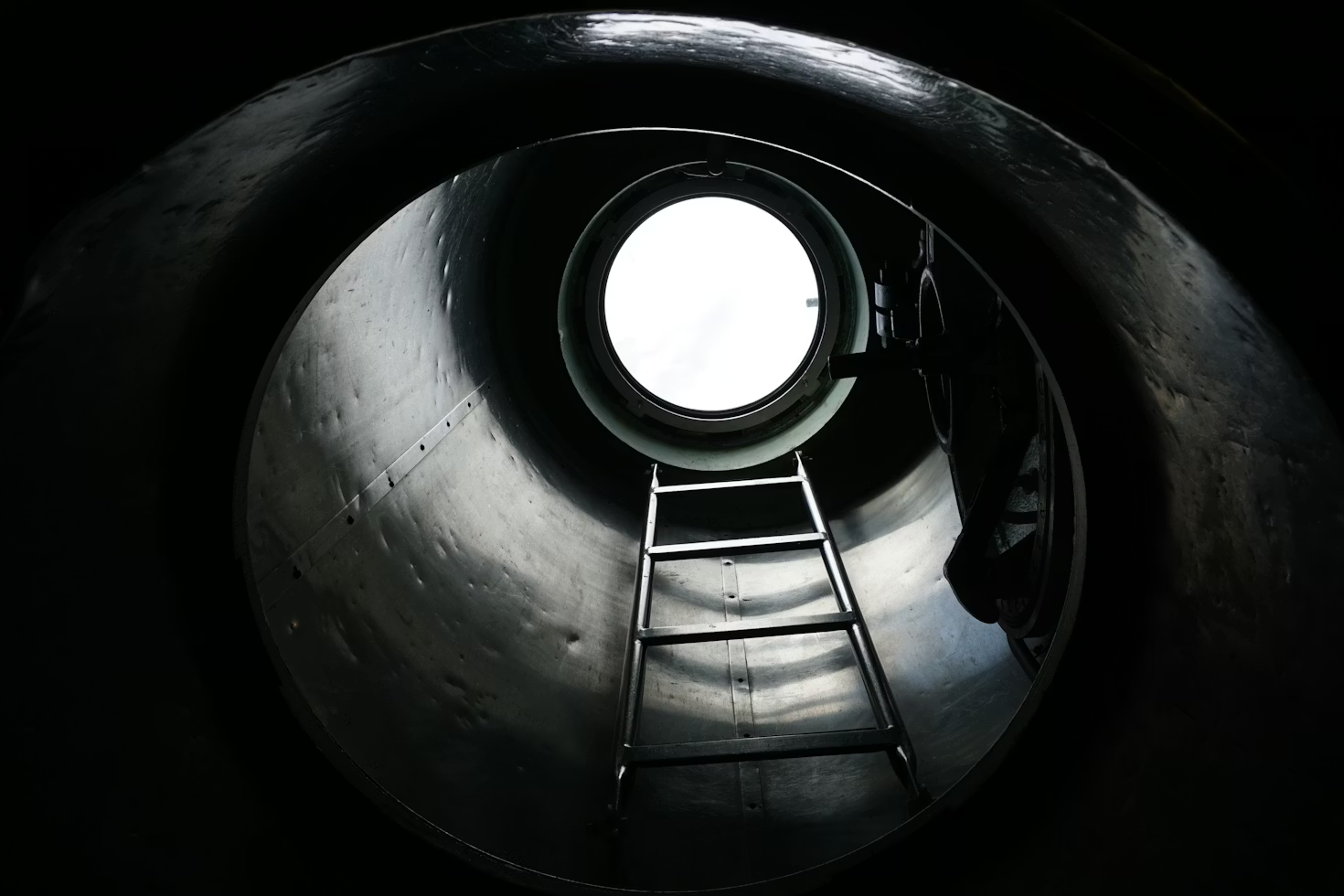
A confined space is an area that is large enough for a person to enter, has limited entry or exit, and is not designed for continuous human occupancy.
Examples include:
- Tanks
- Vessels
- Manholes
- Pits
- Silos
- Boilers
- Ducts
- Trenches
- Sewers
- Underground chambers
- Large pipes
- Process equipment
- Enclosed machinery areas
A confined space may look safe from outside but can contain serious hazards inside.
Why Confined Space Entry Is Dangerous
Confined spaces can be dangerous because hazards may not be visible.
Common hazards include:
- Lack of oxygen
- Toxic gas
- Flammable gas
- Poor ventilation
- Engulfment
- Heat stress
- Chemical exposure
- Moving equipment
- Electrical hazards
- Difficult rescue
- Slips and trips
- Poor lighting
- Limited communication
A worker can be overcome very quickly if the atmosphere is unsafe.
Why a Confined Space Permit Is Required
A confined space entry permit confirms that the space has been inspected and controlled before entry.
The permit helps verify:
- Space identification
- Entry purpose
- Hazard assessment
- Gas testing
- Ventilation
- Isolation
- LOTO
- Rescue plan
- Standby person
- Communication method
- PPE
- Lighting
- Entry and exit control
- Authorized entrants
The permit must be approved before entry begins.
Common Maintenance Jobs in Confined Spaces
Confined space entry may be required for:
- Tank cleaning
- Vessel inspection
- Pit pump maintenance
- Duct inspection
- Silo cleaning
- Internal pipe inspection
- Boiler inspection
- Manhole work
- Repair inside large equipment
- Chemical tank maintenance
- Drainage pit maintenance
- Internal welding or grinding
Each job should be reviewed carefully before entry.
Main Confined Space Hazards
The main hazards include:
- Oxygen deficiency
- Oxygen enrichment
- Toxic atmosphere
- Flammable atmosphere
- Stored energy
- Moving parts
- Engulfment
- Heat
- Poor access
- Limited rescue
- Electrical hazards
- Hazardous materials
These hazards must be controlled before and during entry.
Oxygen Deficiency
Normal air contains about 20.9% oxygen.
If oxygen is too low, workers may feel dizzy, confused, weak, or lose consciousness.
Possible causes of oxygen deficiency include:
- Rusting
- Chemical reaction
- Welding or cutting
- Gas displacement
- Poor ventilation
- Decomposition of organic material
- Nitrogen purging
Never enter a confined space without gas testing.
Oxygen Enrichment
Too much oxygen is also dangerous.
Oxygen enrichment increases fire risk.
Materials that normally burn slowly may ignite more easily in oxygen-rich atmospheres.
Possible causes include:
- Oxygen cylinder leakage
- Incorrect gas use
- Poor ventilation during hot work
- Process gas contamination
Hot work in oxygen-enriched spaces is extremely dangerous.
Toxic Gas
Confined spaces may contain toxic gases.
Examples include:
- Hydrogen sulfide
- Carbon monoxide
- Solvent vapors
- Chemical fumes
- Ammonia
- Chlorine
- Process gas
- Welding fumes
Toxic gases can cause serious injury or death even at low concentrations.
Gas testing and ventilation are essential.
Flammable Atmosphere
A confined space may contain flammable gas, vapor, or dust.
Possible sources include:
- Fuel vapors
- Solvents
- Chemical residue
- Oil residue
- Gas leaks
- Combustible dust
- Paint vapors
Hot work must not be performed unless the atmosphere is tested and confirmed safe according to site procedure.
Isolation and LOTO
Before entry, all energy sources must be isolated.
This may include:
- Electrical isolation
- Mechanical isolation
- Process isolation
- Hydraulic isolation
- Pneumatic isolation
- Steam isolation
- Chemical line isolation
- Moving equipment isolation
LOTO must be applied where required.
Do not rely only on a closed valve if hazardous material can enter the space.
Line Breaking and Blinding
For spaces connected to process lines, proper isolation may require:
- Closing valves
- Locking valves
- Installing blind flanges
- Disconnecting lines
- Draining and flushing
- Double block and bleed if approved by site procedure
The isolation method should match the risk.
Cleaning and Ventilation
Before entry, the space may need cleaning and ventilation.
Ventilation helps remove harmful gases and provide fresh air.
Check:
- Forced ventilation if required
- Air mover condition
- Ventilation direction
- No recirculation of contaminated air
- Continuous ventilation during entry
- Ventilation not introducing new hazards
Ventilation does not replace gas testing.
Gas Testing
Gas testing must be done before entry by an authorized person.
Common readings include:
- Oxygen level
- Flammable gas level
- Toxic gas level
- Carbon monoxide
- Hydrogen sulfide
- Other gases depending on process
Gas testing may be required before entry and continuously during the job.
Continuous Gas Monitoring
Some confined spaces require continuous gas monitoring.
Continuous monitoring is important when:
- The atmosphere can change
- Hot work is performed
- Chemicals are present
- Ventilation may fail
- Work duration is long
- The space has poor airflow
If gas readings become unsafe, workers must exit immediately.
Standby Person
A standby person, also called an attendant, must remain outside the confined space.
The standby person should:
- Monitor entrants
- Maintain communication
- Control entry and exit
- Watch for unsafe conditions
- Call rescue if required
- Prevent unauthorized entry
- Never leave the entry point unattended
- Never enter the space for rescue unless trained and authorized
The standby person has a critical role.
Communication
Reliable communication is required between entrants and the standby person.
Communication methods may include:
- Voice communication
- Radio
- Hand signals
- Rope signals
- Visual contact
- Dedicated communication device
The method should be agreed before entry.
Rescue Plan
A rescue plan is required before confined space entry starts.
The rescue plan should include:
- Rescue method
- Rescue team
- Rescue equipment
- Emergency contact
- Retrieval system
- First aid response
- Communication method
- Access route
- Ambulance or medical support if required
Do not start entry if rescue arrangements are not ready.
Retrieval Equipment
Depending on the space, retrieval equipment may include:
- Tripod
- Winch
- Full body harness
- Lifeline
- Rescue stretcher
- Breathing apparatus
- Gas detector
- Rescue rope
The equipment should be inspected before use.
PPE for Confined Space Entry
PPE depends on the hazards.
Common PPE may include:
- Safety helmet
- Safety shoes
- Gloves
- Safety glasses
- Coverall
- Respirator
- Full body harness
- Hearing protection
- Chemical protective clothing
- Lighting equipment
Respiratory protection should be selected based on gas testing and site procedure.
Lighting Requirements
Confined spaces often have poor lighting.
Lighting should be:
- Suitable for the area
- Safe for the environment
- Low voltage if required
- Explosion-proof if flammable atmosphere risk exists
- Properly secured
- Not creating heat or ignition hazards
Poor lighting increases slip, trip, and work quality risks.
Electrical Safety in Confined Spaces
Electrical hazards may be more dangerous in confined spaces because movement is limited.
Controls may include:
- Low-voltage tools
- GFCI/RCD protection
- Proper cable routing
- Insulated tools
- Equipment inspection
- Protection from water
- No damaged cables
- Proper lighting equipment
Electrical tools should be approved for the environment.
Hot Work in Confined Spaces
Hot work inside a confined space is high risk.
It may require:
- Confined space permit
- Hot work permit
- Gas testing
- Continuous monitoring
- Ventilation
- Fire watch
- Fire extinguisher
- Welding fume control
- Rescue plan
- Special approval
Hot work should not begin unless all controls are approved.
Confined Space Entry Checklist
| Check Point | What to Verify |
|---|---|
| Permit | Confined space permit approved |
| Space identified | Correct location and equipment |
| Hazards | All hazards identified |
| Isolation | Energy and process isolation completed |
| LOTO | Applied where required |
| Cleaning | Space cleaned if required |
| Ventilation | Adequate ventilation provided |
| Gas testing | Atmosphere tested and acceptable |
| Monitoring | Continuous monitoring if required |
| Standby person | Assigned and trained |
| Communication | Method confirmed |
| Rescue plan | Ready before entry |
| PPE | Suitable PPE available |
| Lighting | Safe and adequate |
| Entry log | Entrants recorded |
Entry Log
An entry log helps control who enters and exits the confined space.
It may include:
- Entrant name
- Entry time
- Exit time
- Permit number
- Work location
- Standby person name
- Gas test results if required
All entrants must be accounted for before closing the permit.
Common Confined Space Mistakes
Common mistakes include:
- Entering without permit
- No gas testing
- Poor ventilation
- No standby person
- No rescue plan
- Standby person leaving the area
- Not isolating process lines
- Ignoring stored energy
- Using unsafe lighting
- Poor communication
- Assuming the atmosphere is safe
- Attempting rescue without training
These mistakes can lead to fatal incidents.
Practical Field Example
A maintenance team needs to enter a drainage pit to inspect a pump.
Before entry, the team should obtain a confined space permit, isolate the pump, apply LOTO, test the atmosphere, provide ventilation if required, assign a standby person, prepare rescue equipment, control entry and exit, and maintain communication.
If gas readings are unsafe, no one should enter until the atmosphere is made safe and approved.
When to Stop Confined Space Work
Stop the work immediately if:
- Gas readings become unsafe
- Ventilation fails
- Communication is lost
- Standby person is not available
- Worker feels dizzy or unwell
- New hazard appears
- Permit conditions are not followed
- Rescue equipment is not available
- Lighting fails
- Work scope changes
Entrants should exit the space immediately if conditions become unsafe.
Safety Notes
Confined space entry can be fatal if not controlled properly.
Never enter a confined space without an approved permit, gas testing, ventilation if required, standby person, communication, and rescue plan.
Do not attempt rescue unless trained and authorized.
Follow site confined space entry procedure at all times.
Conclusion
Confined space entry is a high-risk maintenance activity that requires strict control.
A proper confined space entry process includes permit approval, hazard identification, isolation, LOTO, gas testing, ventilation, standby person, communication, rescue plan, PPE, and continuous monitoring when required.
Following confined space requirements helps protect maintenance workers from serious injury or fatal incidents.