Electrical safety is one of the most important topics for maintenance technicians working in industrial plants. Electrical systems can be dangerous if they are not handled correctly.
Maintenance technicians may work near electrical panels, motors, MCC panels, control circuits, lighting systems, cables, transformers, VFDs, soft starters, and other energized equipment.
Following electrical safety rules helps prevent electric shock, arc flash, burns, equipment damage, and serious injuries.
Why Electrical Safety Is Important
Electrical energy can cause serious injury or death.
Electrical incidents may happen because of:
- Wrong isolation
- Working on live equipment
- Damaged cables
- Loose terminals
- Poor grounding
- Incorrect tools
- Lack of PPE
- Bypassed protection
- Poor housekeeping
- Lack of training
A maintenance technician should never treat electrical work as routine or simple without checking the hazards.
Common Electrical Hazards
Common electrical hazards in industrial maintenance include:
- Electric shock
- Arc flash
- Arc blast
- Burns
- Short circuit
- Earth fault
- Exposed live parts
- Damaged insulation
- Back-feed voltage
- Stored energy
- Wrong panel identification
- Overloaded circuits
- Wet working conditions
Each hazard must be controlled before work starts.
Rule 1: Do Not Work Without Authorization
Only authorized and competent persons should perform electrical work.
A technician should not open panels, isolate equipment, test voltage, or modify wiring unless trained and authorized.
Electrical work should follow company procedures, approved permits, and legal requirements.
Rule 2: Identify the Correct Equipment
Before starting work, confirm the correct equipment.
Check:
- Equipment tag number
- Panel name
- Feeder name
- Location
- Drawing reference
- Operation confirmation
- Cable identification
Working on the wrong panel or feeder can cause serious incidents.
Rule 3: Isolate Before Work
Before working on electrical equipment, isolate the power supply.
Isolation may include:
- Switching off the breaker
- Opening disconnect switch
- Removing fuses if approved
- Isolating control supply
- Isolating backup supply
- Checking UPS or generator supply
- Confirming no back-feed
Isolation should be done according to site procedure.
Rule 4: Apply Lockout/Tagout
After isolation, apply Lockout/Tagout.
LOTO prevents unauthorized energization while maintenance work is in progress.
A proper LOTO should include:
- Personal lock
- Warning tag
- Equipment information
- Worker name
- Date
- Reason for isolation
- Verification of isolation
Never remove another person’s lock unless the approved site procedure is followed.
Rule 5: Verify Absence of Voltage
Never assume equipment is dead.
After isolation and LOTO, verify absence of voltage using an approved tester.
Test:
- Phase to phase
- Phase to earth
- Neutral to earth if applicable
- Control voltage if applicable
Use the live-dead-live method if required by site procedure.
This means test the meter on a known live source, test the circuit, then test the meter again.
Rule 6: Be Aware of Stored Energy
Some electrical equipment can store energy even after isolation.
Examples include:
- Capacitors
- VFD DC bus
- UPS systems
- Power supplies
- Large cables
- Battery systems
- Control circuits
Always follow the discharge time recommended by the manufacturer.
Do not touch internal components immediately after switching off power.
Rule 7: Use Proper PPE
Electrical PPE depends on the job and risk level.
Common PPE may include:
- Safety helmet
- Safety glasses
- Electrical gloves
- Arc-rated clothing
- Face shield
- Safety shoes
- Insulated gloves
- Hearing protection
- Insulated mat if required
PPE should be inspected before use.
Damaged PPE must not be used.
Rule 8: Use Insulated Tools
Use proper insulated tools for electrical work.
Check tools for:
- Damaged insulation
- Cracks
- Loose handles
- Wrong rating
- Wear
- Oil contamination
Do not use homemade or damaged tools.
For live testing, use approved test probes and meters.
Rule 9: Use the Correct Test Equipment
A multimeter or tester must be suitable for the voltage and category of the work.
Check:
- Meter rating
- Leads condition
- Probe insulation
- Fuse condition
- Battery condition
- Calibration if required
- Correct function selection
Using the wrong meter can cause serious accidents.
Rule 10: Keep Panels Clean and Dry
Water, dust, oil, and metal particles increase electrical risk.
Before and during work, keep the area clean.
Check for:
- Water leakage
- Oil contamination
- Metal chips
- Dust buildup
- Loose wire pieces
- Tools left inside panels
- Poor housekeeping
Never work on electrical equipment in wet conditions unless proper controls are in place.
Rule 11: Do Not Bypass Protection Devices
Protection devices are installed to protect people and equipment.
Do not bypass:
- Circuit breakers
- Overload relays
- Earth fault protection
- Interlocks
- Emergency stop circuits
- Door interlocks
- Safety switches
- Fuses
- Motor protection relays
Any bypass must follow approved management and safety procedure.
Rule 12: Do Not Work Alone on High-Risk Electrical Jobs
High-risk electrical work should not be done alone.
Examples include:
- MCC maintenance
- Transformer work
- Main panel work
- High voltage work
- Troubleshooting critical panels
- Work near exposed electrical parts
A standby person or supervisor may be required depending on site procedure.
Rule 13: Check for Back-Feed
Back-feed happens when voltage comes from another source even after the main supply is isolated.
Possible back-feed sources include:
- UPS
- Generator
- Solar supply
- Capacitor bank
- Control transformer
- Parallel feeders
- Interconnected panels
- VFD output
- External control supply
Always verify all possible sources before touching terminals.
Rule 14: Keep Safe Distance From Live Parts
If nearby equipment remains energized, maintain safe distance.
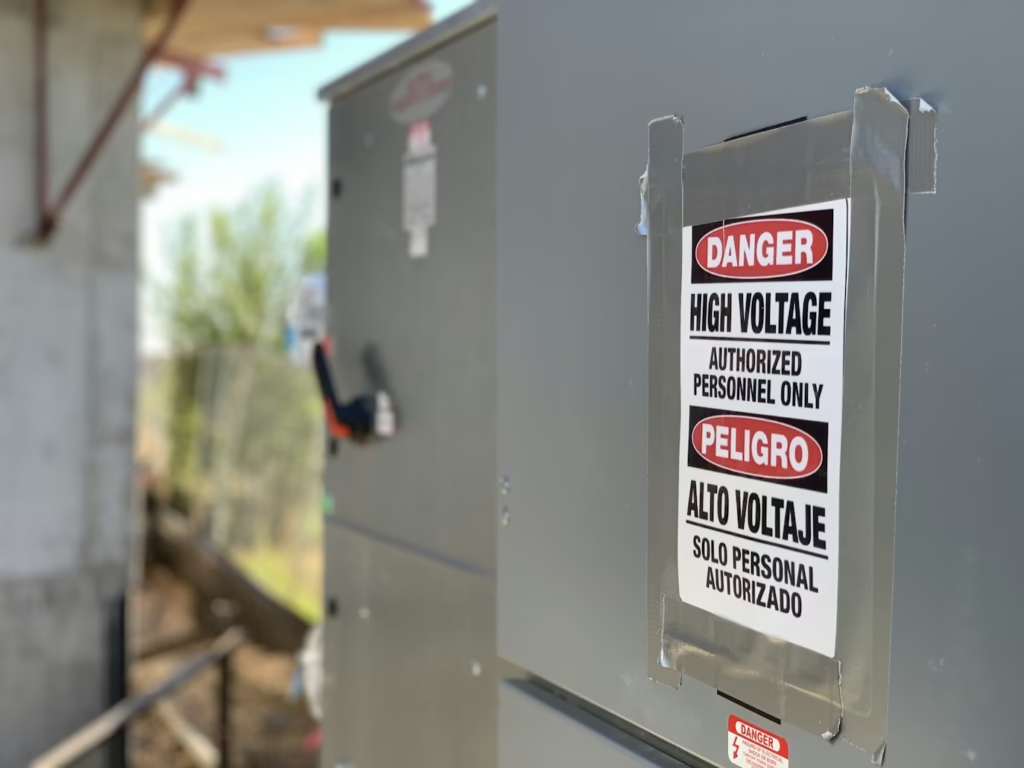
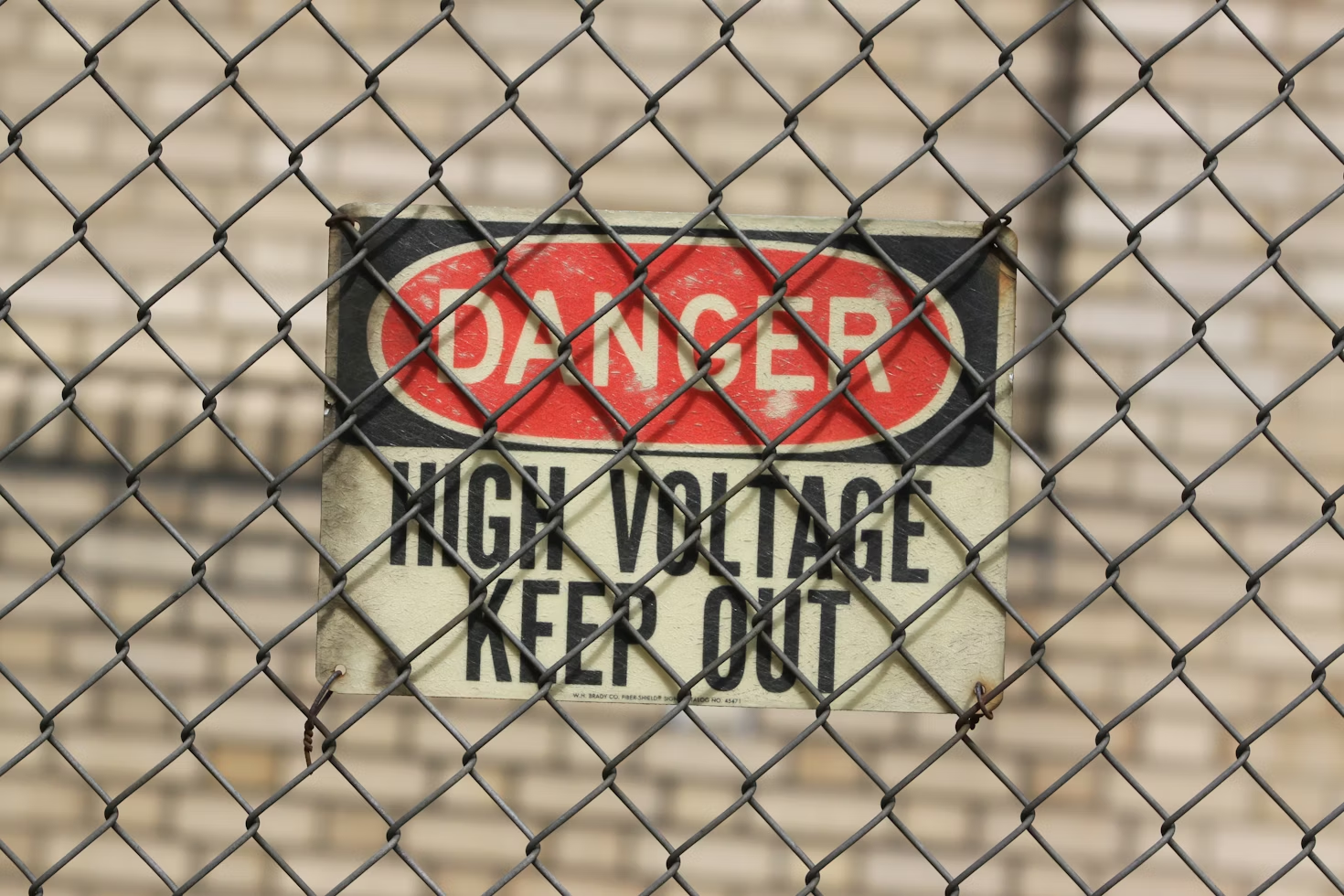
Use barriers, covers, and warning signs when required.
Do not place hands, tools, or body parts near exposed live terminals.
If the job cannot be done safely, stop and request proper isolation.
Rule 15: Follow Electrical Drawings
Use updated and approved electrical drawings.
Check:
- Single line diagram
- Control wiring diagram
- Panel layout
- Cable schedule
- Terminal drawing
- Protection settings
- Feeder identification
Do not rely only on memory or old labels.
If drawings are not updated, proceed carefully and verify before work.
Rule 16: Secure the Work Area
Electrical work areas should be controlled.
Use:
- Barricade
- Warning signs
- Restricted access
- Panel covers
- Proper lighting
- Dry floor
- Safe access
- Fire extinguisher if required
Unauthorized persons should not enter electrical work areas.
Rule 17: Report Damaged Electrical Equipment
Report and correct unsafe electrical conditions such as:
- Exposed wires
- Damaged cable insulation
- Broken panel door
- Missing covers
- Burn marks
- Loose terminals
- Abnormal smell
- Overheating
- Repeated tripping
- Water inside panel
- Missing labels
Do not ignore small electrical defects because they can become serious failures.
Rule 18: Do Not Reset Trips Without Investigation
If a breaker, overload relay, or protection device trips, do not keep resetting it.
Repeated tripping may indicate:
- Short circuit
- Earth fault
- Overload
- Motor problem
- Cable fault
- Loose connection
- Mechanical overload
- Wrong protection setting
Find the root cause before restarting.
Rule 19: Close Panels After Work
After maintenance or inspection, ensure the panel is restored safely.
Check:
- Tools removed
- Wires properly dressed
- Terminals tightened
- Covers installed
- Panel door closed
- Labels restored
- Housekeeping completed
- LOTO removed correctly
- Operation team informed
Do not leave panels open without control.
Rule 20: Stop Work If Conditions Are Unsafe
Stop work if:
- Isolation is not clear
- Voltage is still present
- Drawing is wrong
- PPE is missing
- Tools are damaged
- Water is present
- Panel condition is unsafe
- Worker is not competent
- Work scope changes
- You are unsure about the hazard
Stopping work is better than taking unsafe action.
Electrical Safety Checklist
| Check Point | What to Verify |
|---|---|
| Authorization | Technician is competent and approved |
| Equipment ID | Correct tag and panel confirmed |
| Work permit | Permit approved if required |
| Isolation | All power sources isolated |
| LOTO | Lock and tag applied |
| Voltage test | Absence of voltage verified |
| Stored energy | Capacitors and stored energy discharged |
| PPE | Correct PPE available and inspected |
| Tools | Insulated tools in good condition |
| Drawings | Latest electrical drawings available |
| Area control | Barricade and warning signs installed |
| Housekeeping | Area clean and dry |
| Restart | Safe restart after work completion |
Practical Example
A technician is asked to replace a contactor inside an MCC panel.
Before opening the panel, the technician should confirm the correct feeder, obtain permit if required, isolate the power supply, apply LOTO, verify absence of voltage, check control voltage, use proper PPE, and follow the electrical drawing.
After replacement, the technician should inspect wiring, tighten terminals, close the panel, remove LOTO according to procedure, and coordinate with operation for testing.
Common Electrical Safety Mistakes
Common mistakes include:
- Assuming power is off without testing
- Working on the wrong panel
- Not checking control voltage
- Ignoring back-feed
- Using damaged test leads
- Resetting breakers repeatedly
- Leaving panel doors open
- Using non-insulated tools
- Removing covers from live equipment
- Bypassing interlocks
- Ignoring warning signs
- Working without permit or authorization
Safety Notes
Electrical work can be dangerous.
Always isolate, lock, tag, and verify before touching electrical components.
Follow company procedures, manufacturer instructions, and applicable electrical safety standards.
If there is any doubt, stop work and ask for support.
Conclusion
Electrical safety rules are essential for maintenance technicians in industrial plants.
The most important rules include authorization, correct equipment identification, isolation, LOTO, voltage verification, proper PPE, insulated tools, safe testing, awareness of stored energy, and stopping unsafe work.
Following electrical safety rules protects people, equipment, and the plant from serious incidents.