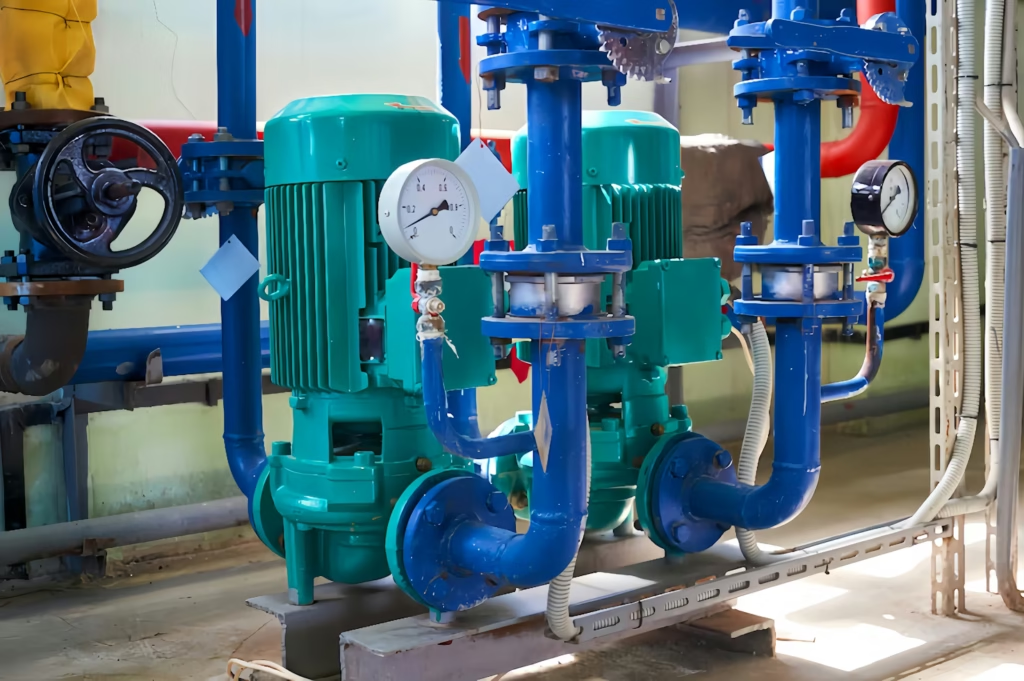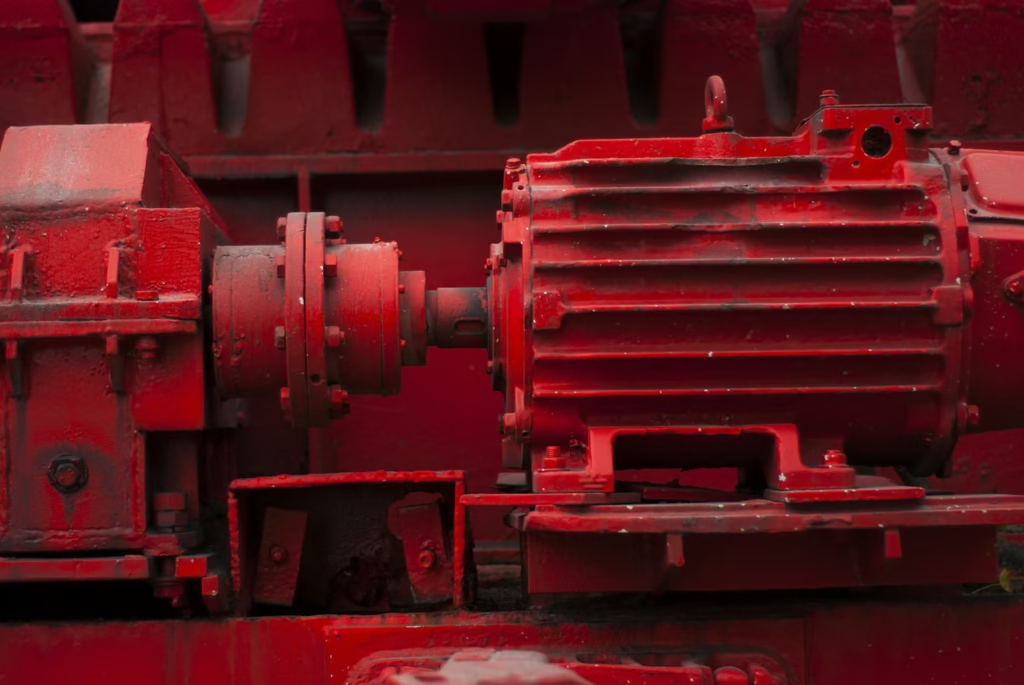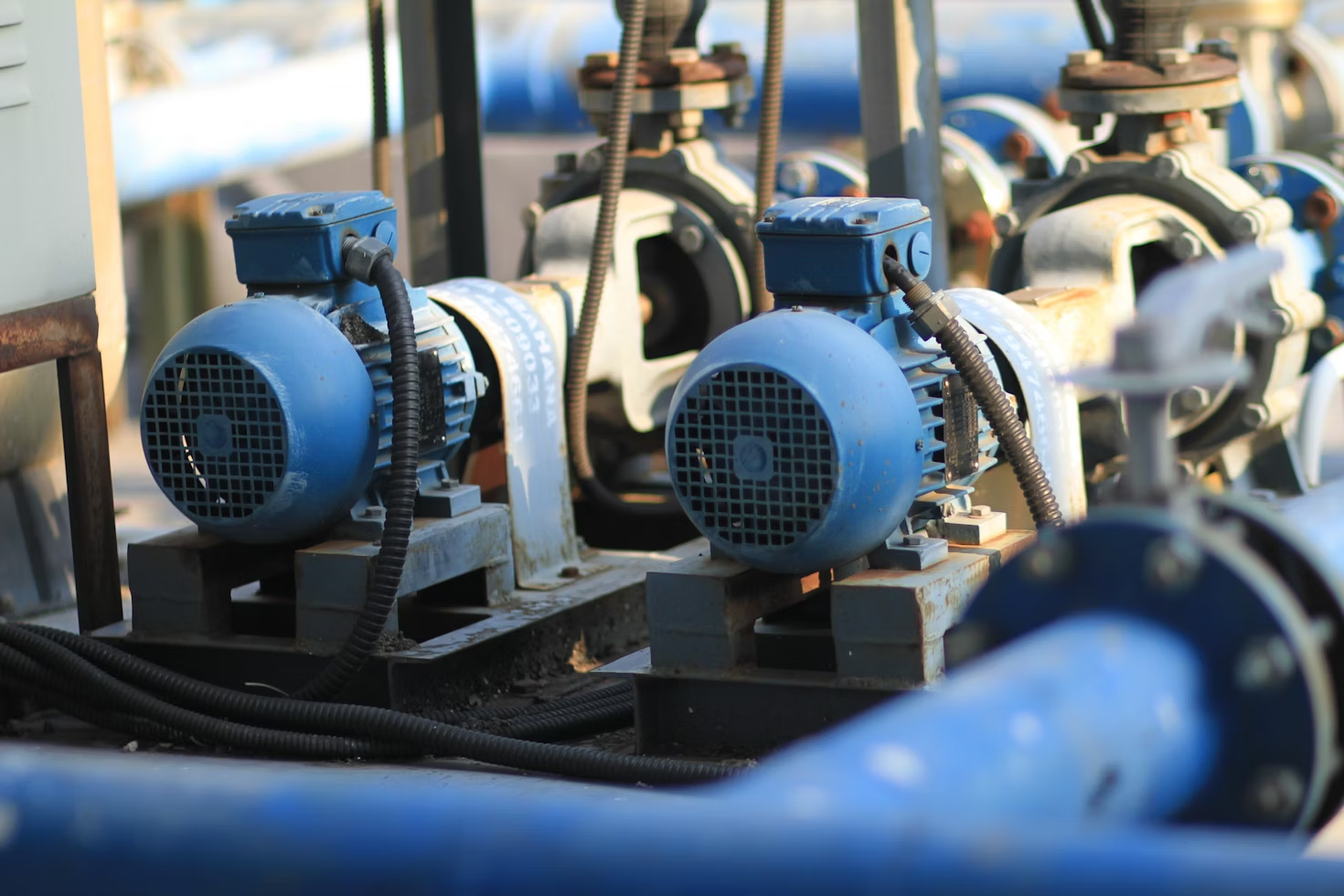
Pumps are among the most important rotating equipment in industrial plants. They are used to transfer water, chemicals, oil, cooling water, process fluids, and many other liquids.
Pump failure can cause production stoppage, utility problems, leakage, overheating, vibration, and high maintenance cost.
Understanding the common causes of pump failure helps maintenance engineers and technicians troubleshoot problems correctly and prevent repeated breakdowns.
What Is Pump Failure?
Pump failure means the pump is not performing as required or cannot operate safely.
Pump failure may appear as:
- No flow
- Low flow
- Low pressure
- High vibration
- Abnormal noise
- Overheating
- Mechanical seal leakage
- Bearing failure
- Motor overload trip
- Coupling damage
- Pump not starting
- Pump running but not delivering fluid
The failure may be mechanical, electrical, process-related, or installation-related.
Common Causes of Pump Failure
The most common causes of pump failure include:
- Dry running
- Cavitation
- Bearing failure
- Mechanical seal failure
- Misalignment
- Coupling damage
- Blocked suction line
- Closed discharge valve
- Wrong rotation direction
- Impeller damage
- Excessive vibration
- Poor lubrication
- Motor overload
- Foundation or base problem
- Poor maintenance practice
A proper troubleshooting approach should consider both the pump and the connected system.
Dry Running
Dry running happens when the pump operates without enough liquid.
This is one of the most damaging conditions for many pumps, especially centrifugal pumps with mechanical seals.
Dry running can cause:
- Mechanical seal damage
- Overheating
- Impeller damage
- Bearing damage
- Pump casing damage
- Abnormal noise
Common reasons for dry running include:
- Empty tank
- Closed suction valve
- Blocked suction strainer
- Air pocket in suction line
- Poor priming
- Level switch failure
A pump should never be allowed to run dry unless it is specifically designed for that condition.
Cavitation
Cavitation happens when vapor bubbles form inside the pump and collapse violently.
This can damage the impeller and create noise, vibration, and performance loss.
Signs of cavitation include:
- Noise similar to stones inside the pump
- High vibration
- Reduced flow
- Reduced pressure
- Impeller pitting
- Mechanical seal damage
- Bearing damage
Common causes of cavitation include:
- Low suction pressure
- Blocked suction strainer
- Long suction pipe
- High fluid temperature
- Poor suction design
- Pump operating away from design point
Cavitation should be corrected quickly to prevent serious pump damage.
Bearing Failure
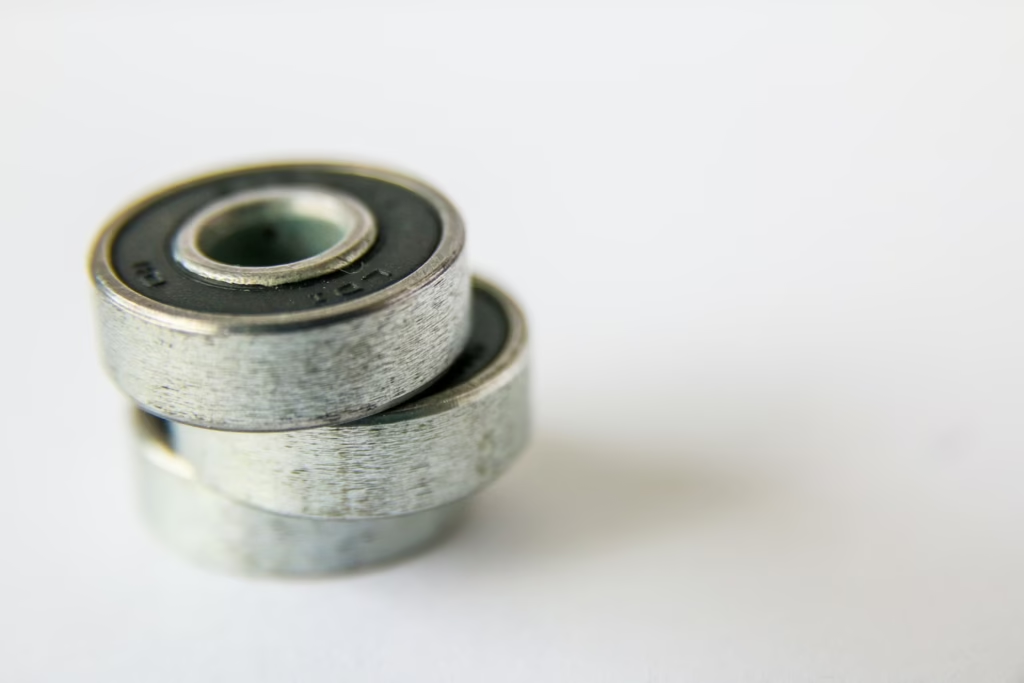
Bearings support the pump shaft and allow smooth rotation.
Bearing failure is a common cause of pump breakdown.
Possible causes include:
- Poor lubrication
- Over-lubrication
- Contaminated grease or oil
- Misalignment
- High vibration
- Excessive load
- Water ingress
- Incorrect bearing installation
- Normal wear over time
Signs of bearing failure include:
- Abnormal noise
- High bearing temperature
- High vibration
- Rough shaft rotation
- Grease leakage
- Metal particles in lubricant
Bearings should be inspected during preventive maintenance.
Mechanical Seal Failure
Mechanical seals prevent fluid leakage from the pump shaft area.
Seal failure is one of the most common pump problems in industrial plants.
Common causes include:
- Dry running
- Misalignment
- Excessive vibration
- Wrong seal material
- Dirty fluid
- High temperature
- High pressure
- Improper installation
- Bearing failure
- Shaft sleeve damage
Signs of mechanical seal failure include:
- Leakage from seal area
- Fluid spray
- Abnormal smell
- Corrosion around pump
- Frequent seal replacement
If seals fail repeatedly, the root cause must be investigated instead of replacing the seal only.
Misalignment
Misalignment happens when the pump shaft and motor shaft are not properly aligned.
It can cause high vibration, bearing failure, seal failure, and coupling damage.
Common causes include:
- Poor installation
- Foundation movement
- Pipe strain
- Thermal expansion
- Loose base bolts
- Incorrect alignment method
Signs of misalignment include:
- High vibration
- Coupling wear
- Bearing overheating
- Seal leakage
- Abnormal noise
Proper shaft alignment should be done after installation and after major maintenance.
Coupling Damage
The coupling transfers power from the motor to the pump.
Coupling problems can cause vibration, noise, and power transmission failure.
Common causes include:
- Misalignment
- Worn coupling element
- Loose coupling bolts
- Incorrect coupling size
- Overload
- Poor installation
- Excessive vibration
During inspection, check coupling condition, bolts, guard, and alignment.
Blocked Suction Line
A blocked suction line reduces the liquid entering the pump.
This can cause low flow, cavitation, overheating, and pump damage.
Possible causes include:
- Dirty suction strainer
- Closed suction valve
- Foreign material in pipe
- Tank sediment
- Collapsed hose
- Poor piping design
Always check suction conditions when a pump has low flow or abnormal noise.
Closed Discharge Valve
If the discharge valve is closed or partially closed, the pump may operate under abnormal conditions.
This can cause:
- High pressure
- Overheating
- Low flow
- Mechanical stress
- Seal damage
- Motor overload in some cases
The discharge valve position should be checked during troubleshooting.
Wrong Rotation Direction
Wrong pump rotation can happen after motor replacement, cable reconnection, or maintenance work.
Wrong rotation may cause:
- Low flow
- Low pressure
- Abnormal noise
- Pump inefficiency
- Impeller damage in some pump types
Always verify motor rotation direction before operating the pump after electrical work.
Impeller Damage
The impeller is responsible for moving the fluid inside the pump.
Impeller damage can reduce pump performance.
Common causes include:
- Cavitation
- Corrosion
- Erosion
- Foreign material
- Wrong fluid
- Mechanical contact
- Poor installation
Signs of impeller damage include low flow, low pressure, vibration, and abnormal noise.
Excessive Vibration
Vibration is both a symptom and a cause of pump failure.
Common causes of pump vibration include:
- Misalignment
- Bearing failure
- Cavitation
- Unbalanced impeller
- Loose foundation bolts
- Pipe strain
- Coupling problem
- Motor problem
High vibration should not be ignored because it can damage bearings, seals, couplings, and piping.
Poor Lubrication
Lubrication is critical for bearings and rotating parts.
Poor lubrication can cause bearing overheating and failure.
Common lubrication problems include:
- Wrong lubricant type
- Too much grease
- Too little grease
- Contaminated lubricant
- Old lubricant
- Water ingress
- Poor lubrication schedule
Always follow manufacturer recommendations and site lubrication standards.
Motor Overload
Pump problems can cause motor overload trips.
Possible causes include:
- Pump jam
- Bearing failure
- High discharge pressure
- Wrong fluid viscosity
- Mechanical rubbing
- Misalignment
- Incorrect pump operation
- Electrical supply problem
Electrical and mechanical teams should work together when a pump motor trips on overload.
Foundation and Base Problems
A weak or loose foundation can cause vibration and misalignment.
Check:
- Base frame condition
- Foundation cracks
- Anchor bolts
- Soft foot
- Grouting condition
- Pump and motor mounting bolts
A good foundation is important for reliable pump operation.
Troubleshooting Checklist
| Check Point | What to Verify |
|---|---|
| Suction valve | Open and not blocked |
| Discharge valve | Correct position |
| Suction strainer | Clean and not clogged |
| Pump priming | Pump is filled with liquid |
| Rotation direction | Correct direction |
| Bearing condition | Noise, temperature, and vibration |
| Mechanical seal | Leakage or damage |
| Coupling | Wear, bolts, and alignment |
| Motor current | Compare with nameplate |
| Vibration | Check abnormal vibration |
| Lubrication | Correct type and quantity |
| Foundation | Bolts, base, and soft foot |
Practical Field Example
A centrifugal pump trips the motor overload after running for a few minutes.
The electrical technician checks the motor current and finds it is higher than normal. Voltage is normal and the overload setting is correct.
The mechanical team checks the pump and finds that the pump bearing is damaged, causing high friction and high motor current.
In this case, the overload trip is caused by a mechanical problem, not an electrical fault.
Preventive Maintenance Tips
To reduce pump failures:
- Inspect pumps regularly
- Check vibration and noise
- Monitor bearing temperature
- Check mechanical seal leakage
- Clean suction strainers
- Verify lubrication
- Check coupling condition
- Perform alignment when required
- Check motor current
- Record readings and trends
- Investigate repeated failures
Good preventive maintenance reduces unexpected breakdowns.
Common Mistakes
Common mistakes include:
- Running pump dry
- Ignoring cavitation noise
- Replacing mechanical seal without checking root cause
- Ignoring bearing noise
- Starting pump with closed suction valve
- Ignoring vibration
- Operating pump outside design range
- Not checking rotation after motor work
- Poor lubrication practice
- No maintenance records
Safety Notes
Before inspecting or maintaining a pump, isolate the electrical supply and apply lockout/tagout.
Also isolate the process line if required, release pressure, and drain fluid safely according to site procedure.
Rotating equipment can be dangerous. Never remove coupling guards while the equipment is running.
Conclusion
Pump failure in industrial plants can happen due to dry running, cavitation, bearing failure, mechanical seal failure, misalignment, coupling damage, blocked suction, wrong rotation, impeller damage, vibration, poor lubrication, and process problems.
A good troubleshooting approach should include electrical, mechanical, and process checks.
Regular preventive maintenance, proper operation, and root cause analysis help reduce pump failures and improve plant reliability.